I thought it might be a good idea to share our own personal experiences traveling to and around Bulgaria for those who might be planning an upcoming trip there. There were some things that we expected and adequately prepared for, some things that we thought we had properly prepared for but hadn’t, and some things that caught us off guard completely. My hope is that someone could use this as a check list of sorts as they prepare for their upcoming trip.
These tips are purely from our experience and our perspective. I realize that many of my comments may seem to be common-sense statements, and may even come off as condescending. I hope not. I appreciate that there are others who have had different experiences than ours and I also realize that I may have some incorrect comments. I welcome your kind feedback.
To give some context, here is a little about us. Our family adopted a teenage girl from Bulgaria, now named Meagan, starting the process in early June of 2019 and finalizing the adoption in July of 2021. A Bulgarian adoption doesn’t typically take this long, but with the COVID pandemic and several administrative delays (which can be typical), the adoption extended a few months past what we had originally planned for.
For a little more context, here is some very general information about a Bulgarian adoption. A Bulgarian adoption consists of two trips. The first trip is a bonding trip which takes place after parents are matched with their child and a time for perspective parents and the child to get to know one another in order to see if the adoption is compatible. Between Trip 1 and Trip 2 is typically 4-6 months (8 months in our case), allowing for time to process paperwork and finalize the adoption. The second trip is to line up the proper paperwork needed for the child to legally enter the United States and come home.
We traveled to Bulgaria to meet our daughter Meagan in October of 2020. We were fortunate to travel there to meet her in-person. During the COVID pandemic, trips to Bulgaria were halted for a time. Then, after a few months, the Bulgarian government allowed for first trips to be held virtually – Skype calls between parents and children. Between October 2020 and June 2021 we held weekly Zoom meetings with Meagan which were wonderful, but increasingly frustrating with the delays. We were fortunate to have an orphanage supervisor who spoke English and could translate, and was very supportive of her adoption. We travelled back to Bulgaria for our Trip 2 in late June 2021.
On our Trip 1 we flew into Sofia (Bulgaria’s capital city and location of the international airport) via Munich, Germany. We stayed in a hotel for a couple of days. We then traveled by a rented car to Meagan’s home town of Kazanluk, which is about a 3 hour drive east of Sofia. We stayed in Kazanluk for 5 days and 4 nights at an AirBnB apartment near the town center. We then traveled back to Sofia, stayed one night, and returned home. On our Trip 2, we flew into Sofia, again through Munich, stayed at an AirBnB apartment near the city center for 15 days and 14 nights, flying back home through Munich once again.
Here are some more insights into our experiences traveling to and in Bulgaria. Hopefully they will be helpful to you as you plan your upcoming trip.
Traveling to Bulgaria
Flying to Sofia, Bulgaria is fairly easy. There are several travel agencies who can usually help you with booking flights, and usually at reduced prices. We used Golden Rule Travel, and Adoption Airfare is another travel agency that was recommended to us. I believe most connections will be in Europe. We connected in Munich, Germany on both trips. Munich is very easy to connect through, easy to find food, and we didn’t experience any delays. We’ve also connected through Frankfurt, Germany which was a very similar experience. I hear that Amsterdam is easy to connect through as well. However, I have heard that you should avoid connecting through Paris, France. I’ve heard many stories of delays, missed flights, and lost luggage in Paris. I don’t have much information on other connecting European cities.
We live in Indiana are are in the Eastern Time Zone. Most of the year, the entire country of Bulgaria (being on the Eastern European Time Zone) is 7 hours ahead of us. This causes some jet lag which is not too quick to recover from for the infrequent international traveler. I was able to adjust in about 4 days and my wife took about 6 days to recover. I know it’s difficult for some (including myself), but sleep as much as you can on your flights. This will help with jet lag. Also, another tip to overcome jet lag is to force yourself to stay awake until the normal bedtime for the first couple of nights.
Commuting in Bulgaria
Traveling around Bulgaria is fairly easy as there are several modes of transportation. As with anything, you will be paying more money for more convenience and freedom. I’ll start from cheapest to most expensive.
If you are in a city like Sofia or even a smaller town, walking will obviously probably be your primary mode of transportation. Most of the towns, large to small, are structured with some kind of town center, with most of the restaurants and shopping, with work spaces and residential buildings spreading outward from there. Visiting Sofia and Kazanluk, overall we felt very safe while walking, although safety should be a concern. Personally, we avoided straying too far from the town center, especially at night (just in case). But our walks in the cool night air was a great way to start winding down for the day.
Electric scooters are also a fun way to get around Sofia. I’m not sure that this should be considered a primary mode of transportation though. It could get expensive to do so. Also, the sidewalks in Sofia aren’t in the best shape and are highly congested with people most of the time. We rented some Bird electric scooters one afternoon just for fun and I think it ended up being close to 3 lv for a half hour. Very cheap and fun to ride around.
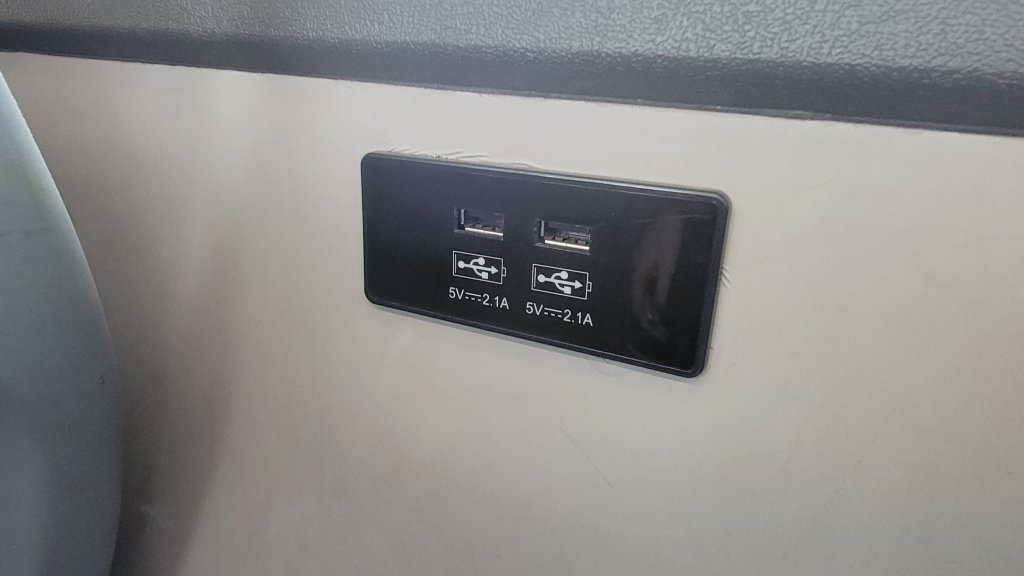
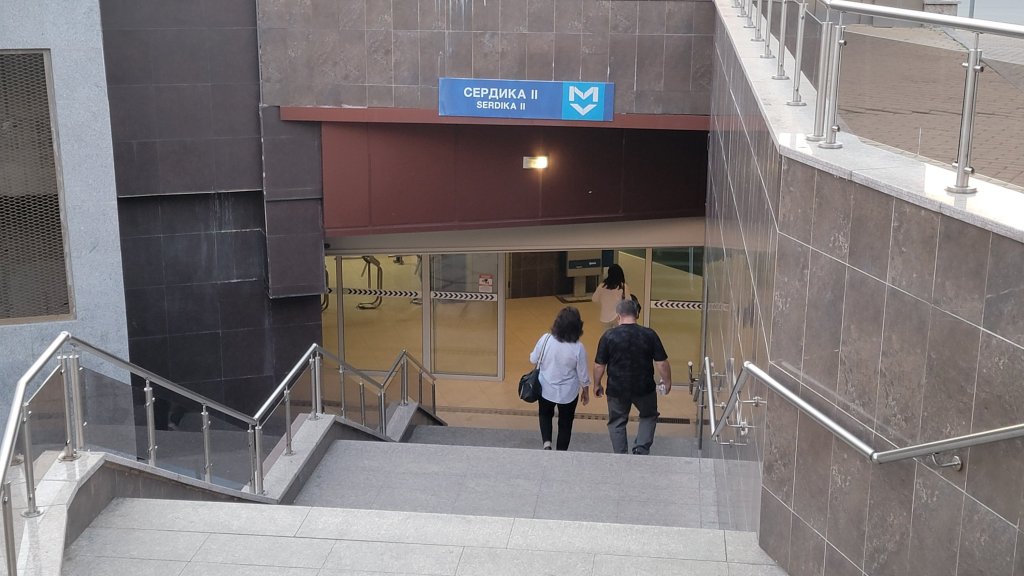
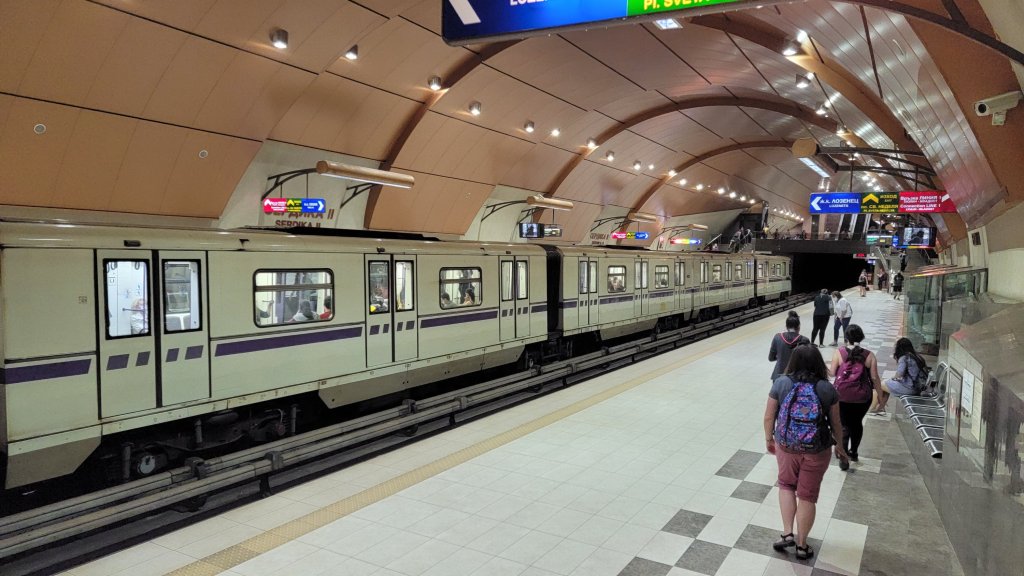
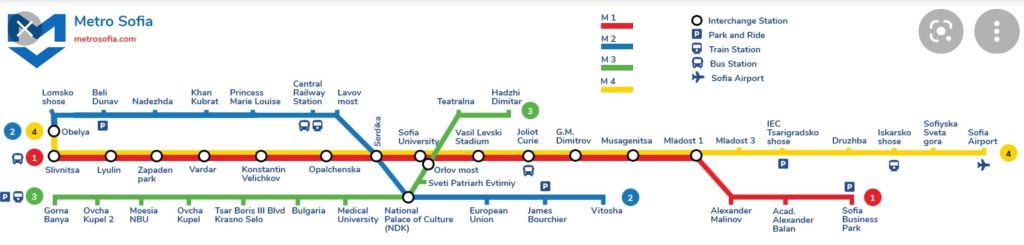
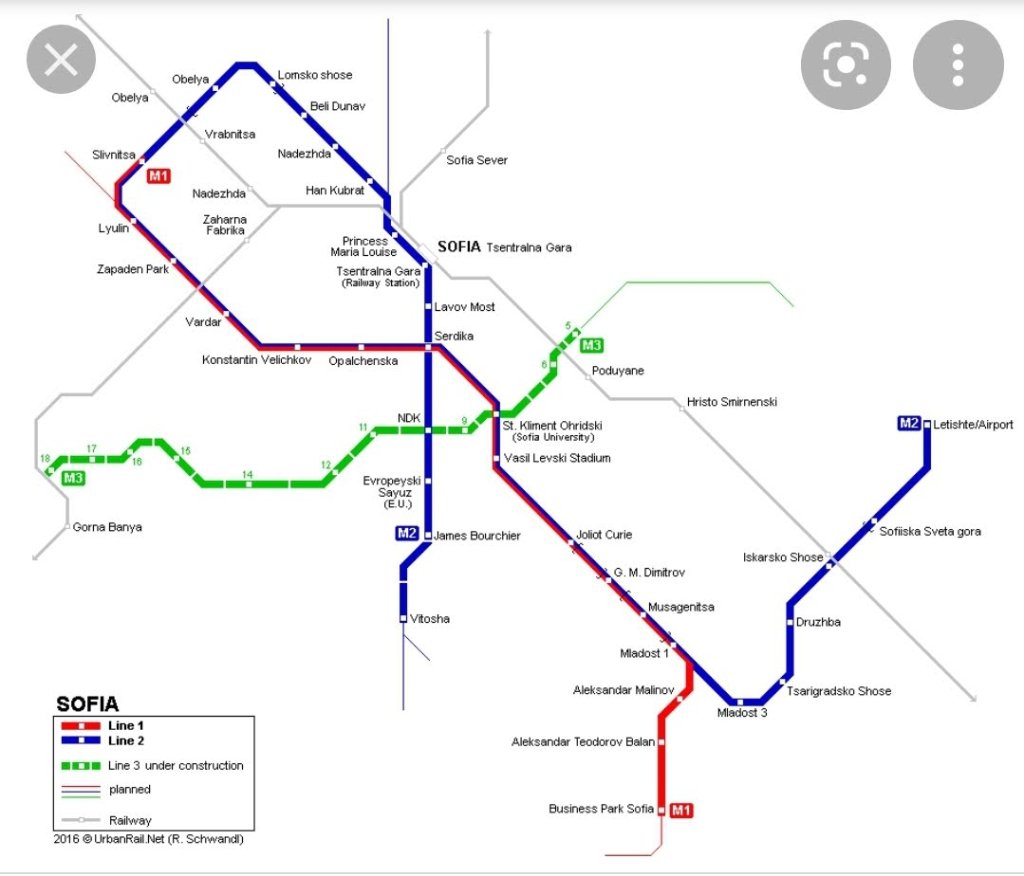
Next is public transportation. Sofia has a bus & trolley system and a subway system. I think that many smaller towns at least have a bus system. We used all three of these one day while in Sofia. We purchased a day pass for 4 lv each to use on any mode for the day. You have to scan the pass to enter the subway, but you can ride the busses and trolleys without scanning a pass. You could risk riding for free, but the fine is 40 lv if a conductor catches you doing that. There are also apps that you can use, such as Tickey, to buy tickets and get passes virtually. The buses and subway can get you just about anywhere around the city or town, just like what you might experience in the states. The busses stayed fairly on schedule, but it was definitely slower to get around this way.
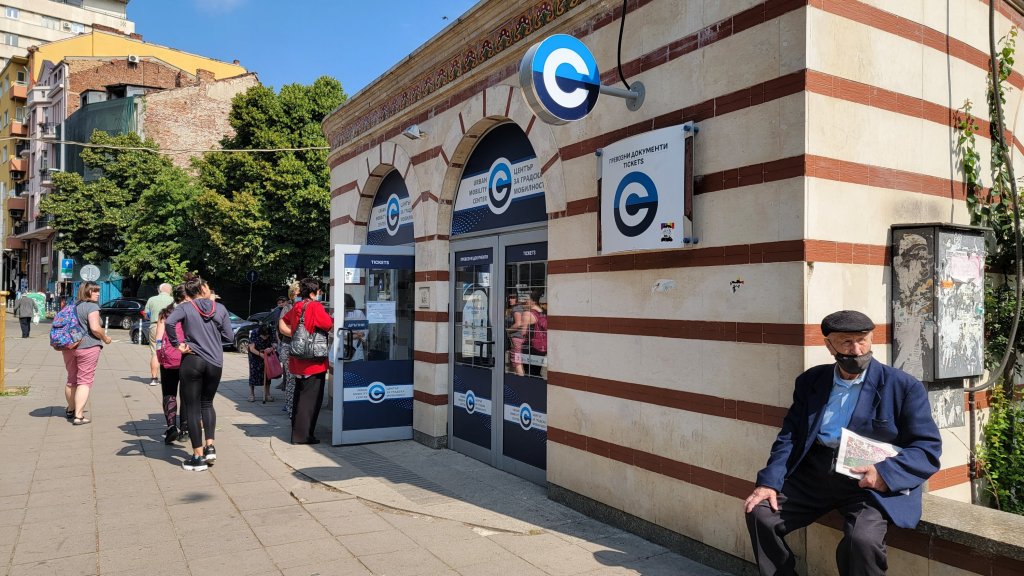
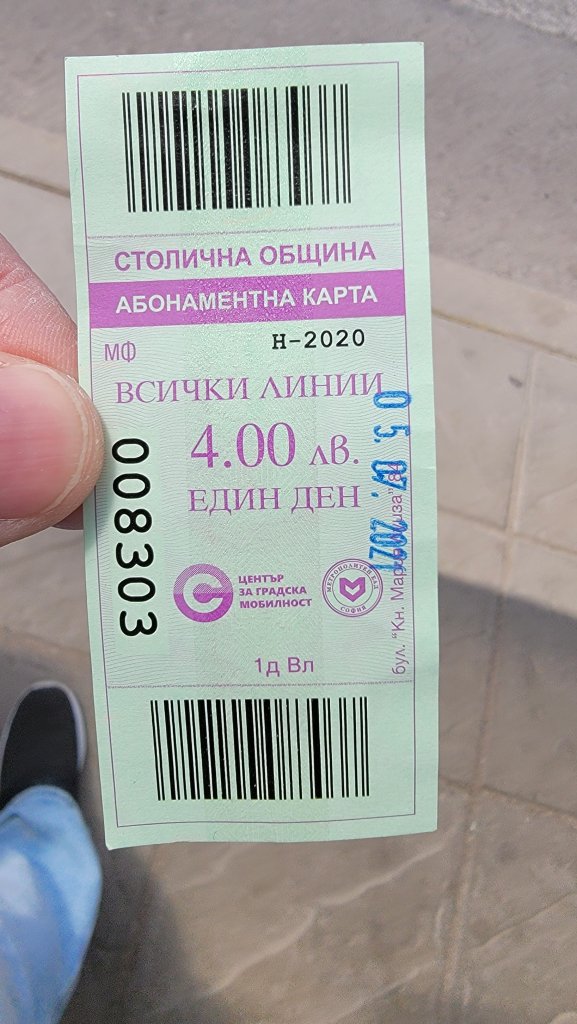
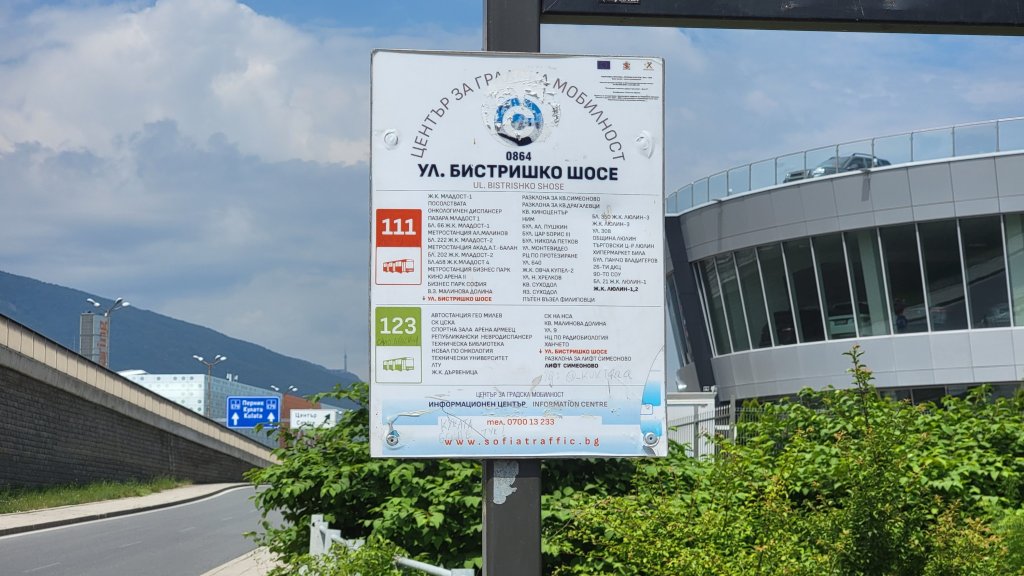
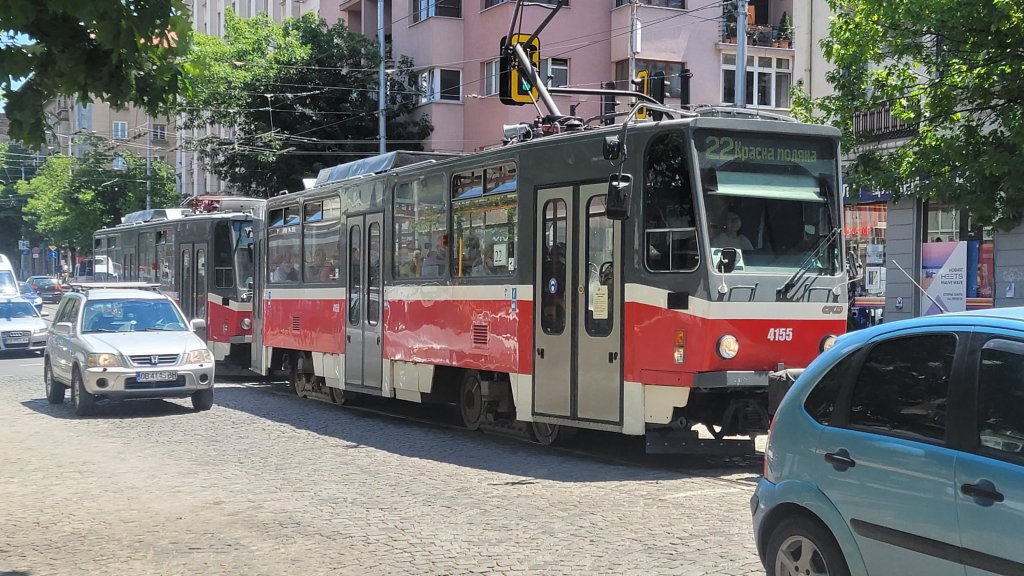

Then there are taxis. Taxis obviously give you a bit more freedom than the public transportation, and are a bit more expensive, but still relatively inexpensive compared to taxis in the states. For instance, I took a taxi from the airport to our apartment in Sofia which cost me 20 lv cash (about $13 USD). The same trip in San Francisco would have been about $50-60, easily.

As far as hailing a taxi, there are some things you should know. I’m told that not all taxis are created equal. There are “imitation taxis” out there who have known to try to scam tourists. Some reputable companies are Yellow Taxi and OK Taxi. We used an app called TaxiMe, which is much like the Uber of Lyft platform: you pick your pickup location, enter the destination address or drop a pin where you’d like to go, wait for your taxi to arrive (watching their progress on the app), hop in and ride, and your credit card is billed. Very easy to use. You can tip the driver, but I don’t think it’s customary. Also, we did experience a couple of taxi drivers that we got through the TaxiMe app that asked for payment once the trip was completed, which they should not have done. Did they not understand that they were paid through the app? Or were they attempting to be double-paid? I’m not sure.
Finally there are rental cars. We used a rental car for our entire time in Kazanluk on Trip 1 and for 4 days in Sofia on Trip 2. Trip 1 requires us to have a car since we were transporting so many different people around to the different appointments that we had. Renting a car is also relatively inexpensive (provided there isn’t a worldwide shortage of computer chips affecting worldwide new car markets). We rented through Enterprise (there are many other companies to rent from in Bulgaria) and the experience was very similar to renting a car in the states. You will need to get an international drivers license which is cheap and I think you can get them from any AAA office.
Manual transmissions are very common in Eastern Europe. It was our only option with our rental car on Trip 1. However, we did by chance get a vehicle with an automatic transmission on Trip 2, so this “shift” (so to speak) from manual to automatic may be taking place. Just be prepared to drive a manual transmission:
Buying gasoline is a bit different than in the states, apart from volume measured in liters and not gallons. From what we experienced, there aren’t any self-pay pumps like what you’re probably used to. The gas stations that we stopped at all had attendees who would pump your gas for you. Then you would have to go inside and pay. Prepare yourself for an awkward conversation in native tongues – none of the times I stopped for gas did the attendees speak any English. Cue Google Translate! You might practice the following phrases: Gore! (“GORE-ay” / “Fill it up!”), and Pulen molya (“PULL-in MOLE-ya” / “Make it full”). Then, when you go to pay, just tell them the pump number (it’s good to know how to count to 10 in Bulgarian in this case.) I don’t think that tipping the attendees is necessary, but they do appreciate it. Gas is a little more expensive than in the states, unless you live in California I suppose.
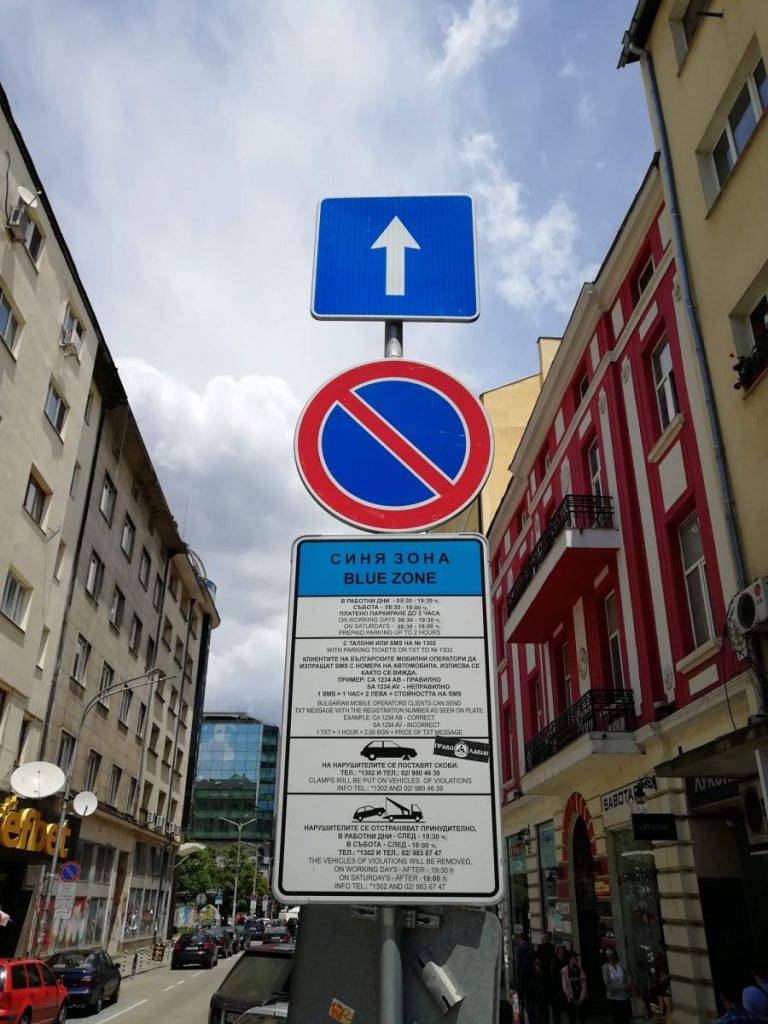
With the rental car comes the challenge of parking. While in Kazanluk we didn’t have much trouble finding parking spots, and the AirBnB offered free parking on the premises (so look for that as a feature when you’re booking). Sofia, being a large metropolitan area, was a different story. Parking isn’t necessarily expensive, it’s just inconvenient. I think that anywhere in Bulgaria, they have a parking system (see this helpful article) that charges your cellphone where you send a text message to a number (1302 or 1303) with your license plate number, but it only works with Bulgarian phone numbers. Your GPS location is grabbed and you’re charged for parking based on where it is geographically. In Sofia there are blue zones and green zones. Blue zones are more toward the city center, more expensive, and more restricted on time. Green zones are in a “donut” around the blue zone, are cheaper and you can park in longer durations. This is for only during the days of Monday through Saturday. Parking in the evenings and on Sunday is free. I used an app called URBO to accomplish paying for parking spots; there are other apps that can accomplish this as well. The app would store a method of payment and your vehicle information, grab your GPS location when you have found a parking space, and allow you to pay for your parking spot virtually.


(I suppose there are other modes of transportation – private airplanes or helicopters – but we didn’t explore these options.)
Lodging in Bulgaria
There were two different types of places we stayed during our trips to Bulgaria. On our first trip when we arrived in Sofia and just before we left Bulgaria, we stayed in a hotel. There are many hotels both in Sofia and in the larger towns around Bulgaria. We stayed at The Best Western Premier Sofia Airport Hotel which is near the airport. At the time, the booking rate was about $75/night. It had all of the amenities that you would expect from a hotel and was very nice, but it’s far away from anything touristy, so it would have gotten pretty boring to stay here for more than a couple of nights.
During our stay in Kazanluk on Trip 1 and during our stay in Sofia on Trip 2, we booked apartments through AirBnB. Surprisingly, there were several AirBnB apartments in Kazanluk to choose from and they were very reasonably priced. I would recommend selecting an apartment as close to the city center as possible, which will be easy to do. These hotels and apartments are generally going to allow for more convenience and be safer.
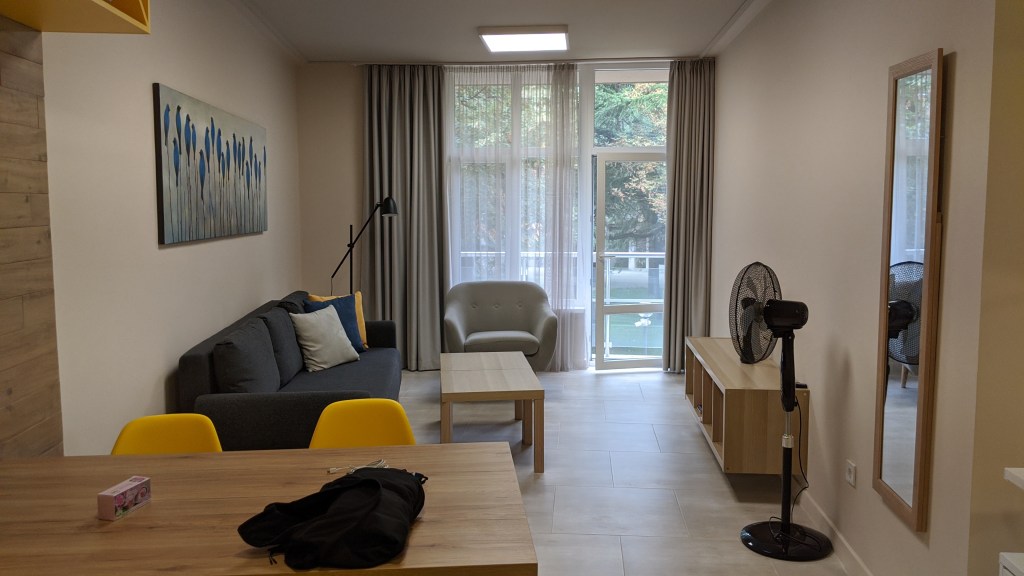
Trip 1 AirBnB Apartment in Kazanluk 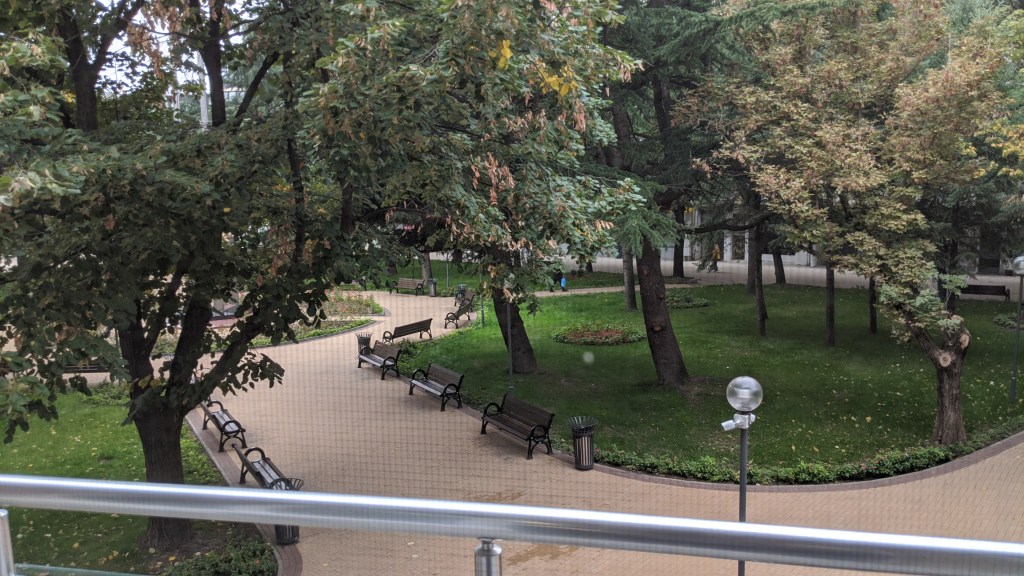
View of City Center from AirBnB Apartment

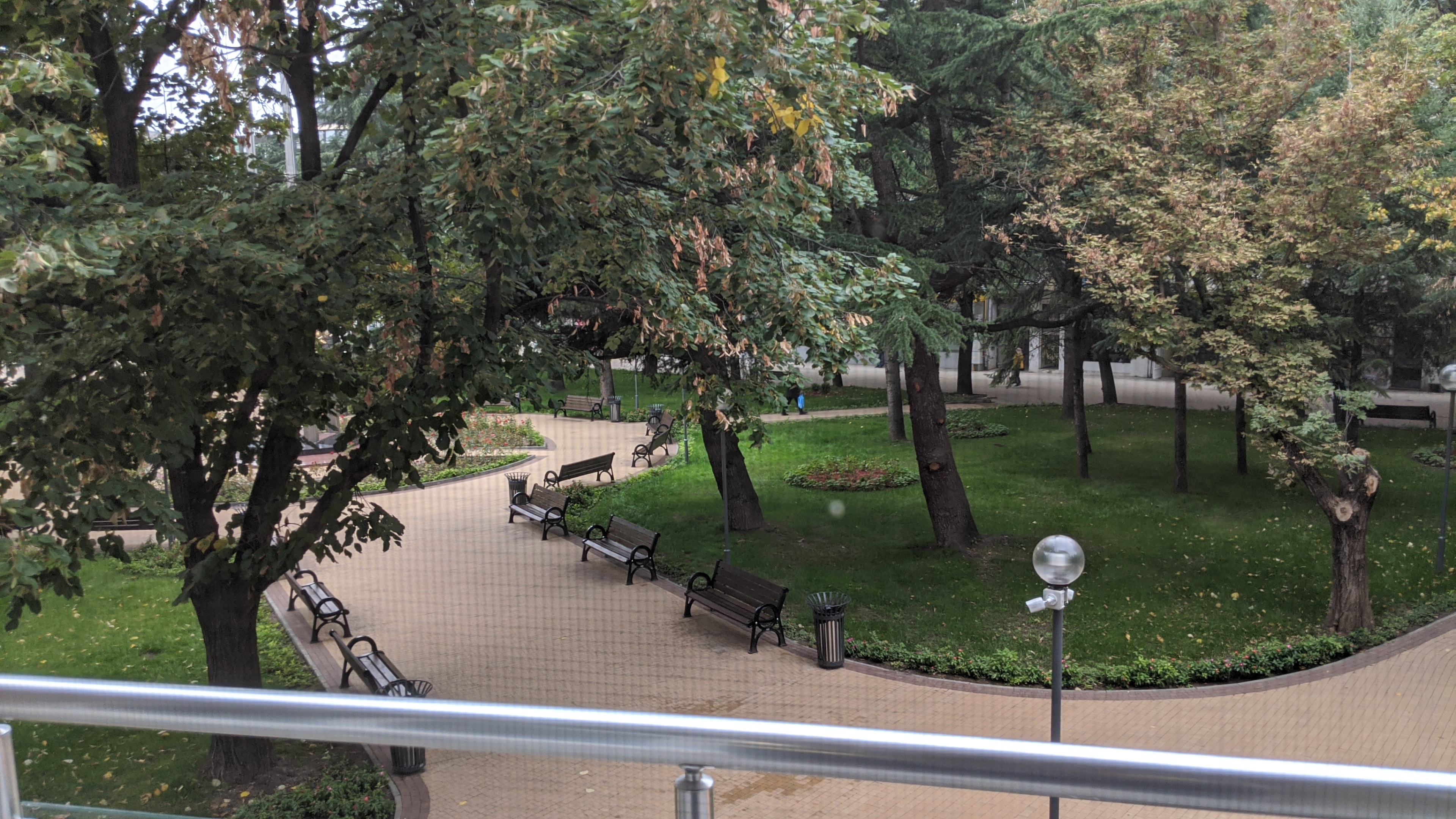
Something to keep in mind when selecting an AirBnB apartment for your stay is what kind of building it is located in. Our Trip 1 apartment in Kazanluk was located in a newly renovated 3-story building on the 2nd floor, so we only had one flight of stairs to climb. Our Trip 2 apartment, however, was located on the 5th floor of an old 5-story apartment complex. Climbing these stairs several times a day got real old real quick. My understanding is that most of the structures downtown are very old and don’t have elevators. This changed when the USSR started building structures with elevators. At any rate, it’s something to consider and to ask your host about if you have a heart condition or bad knees.
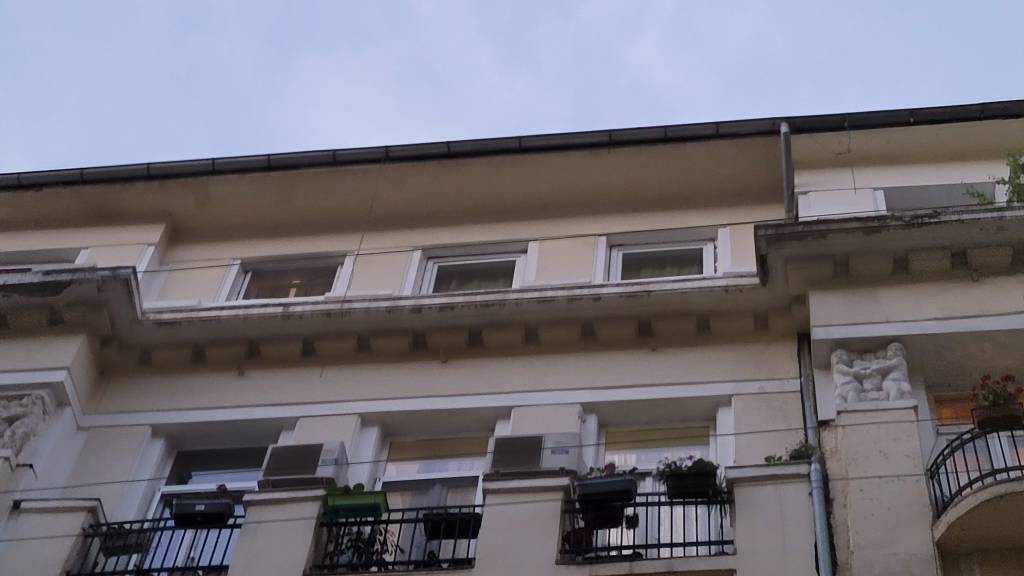
Trip 2 AirBnB Apartment in Sofia 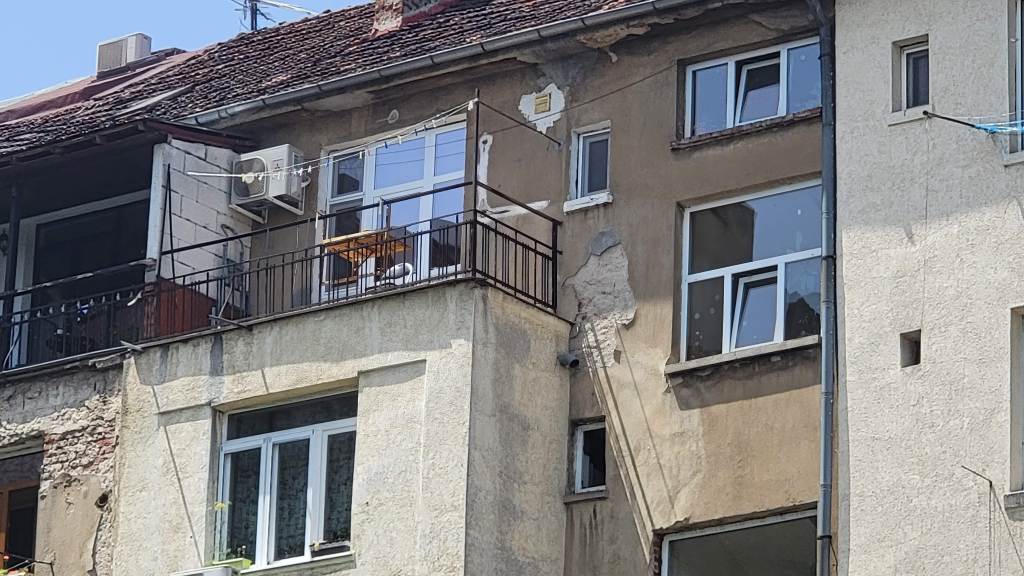
AirBnB Apartment Balcony 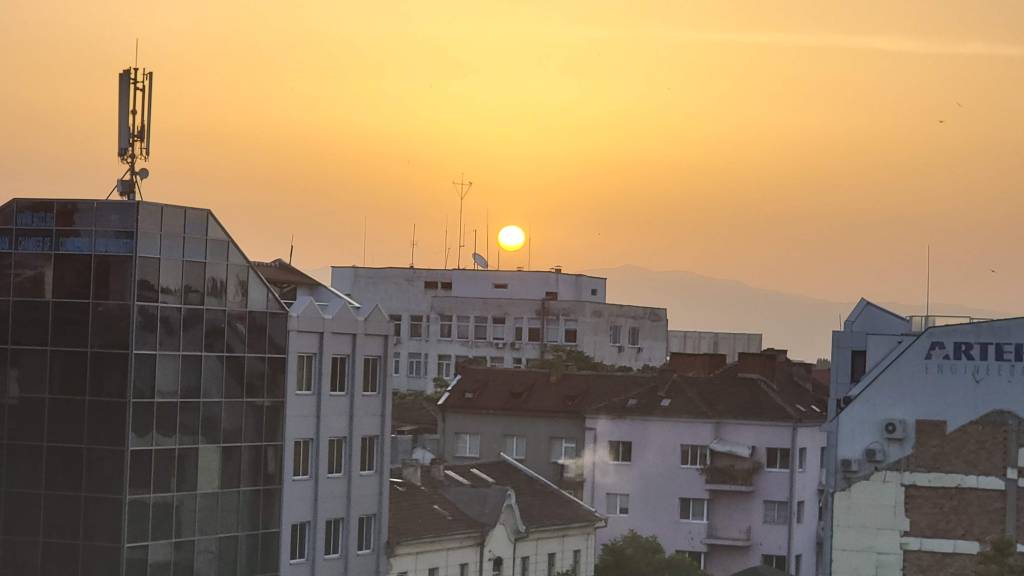
View of Sunrise from the Apartment
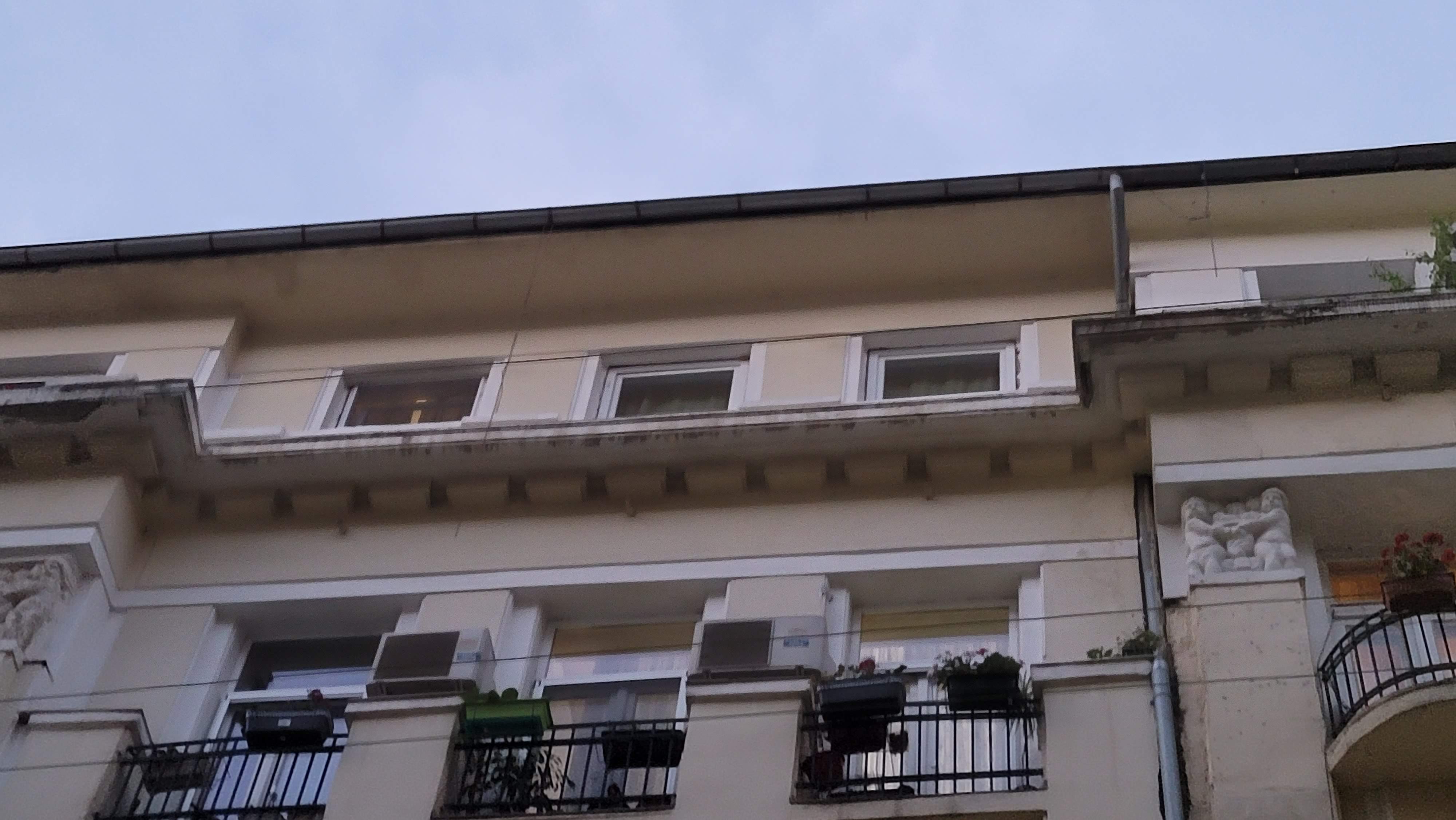
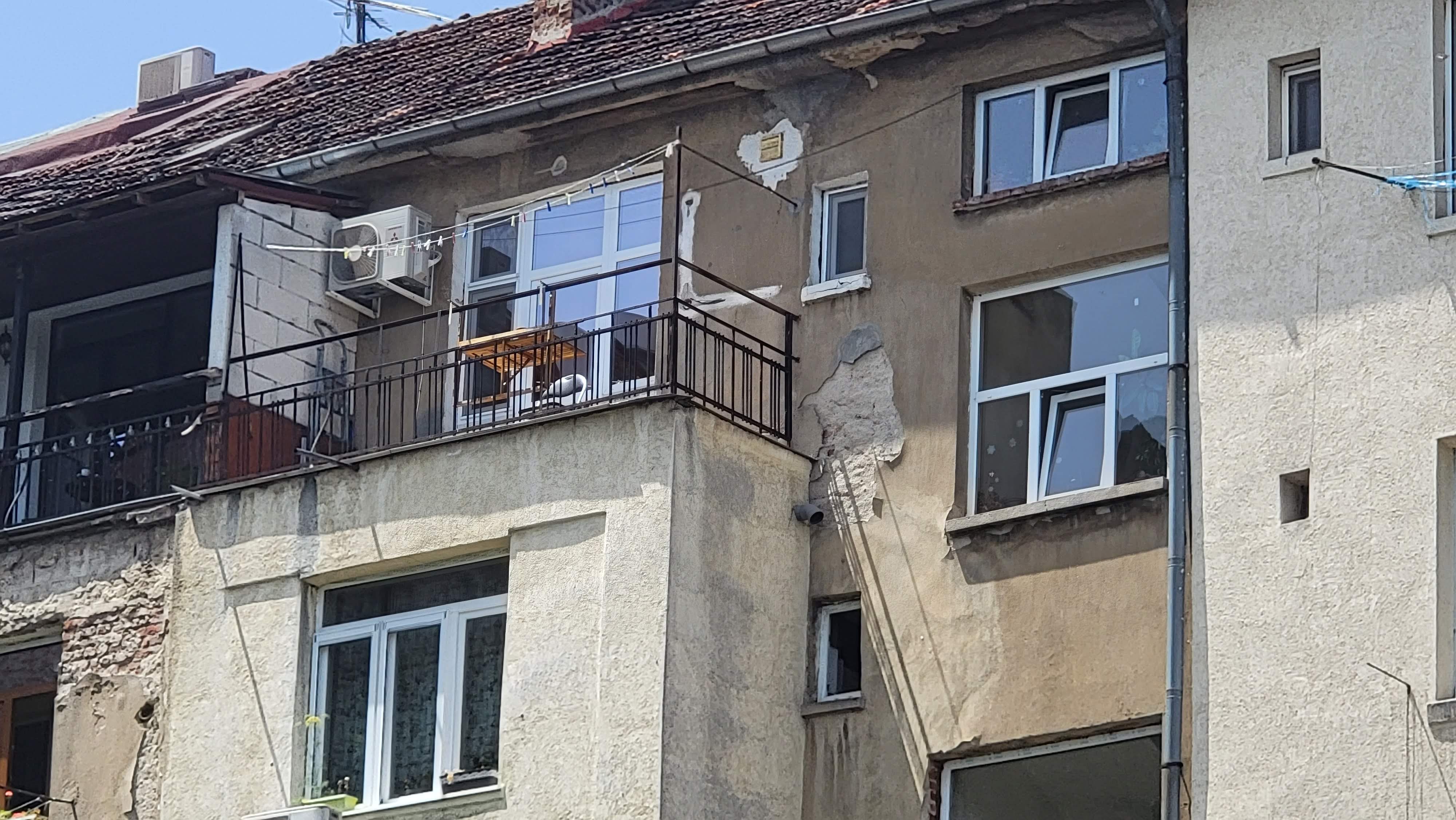
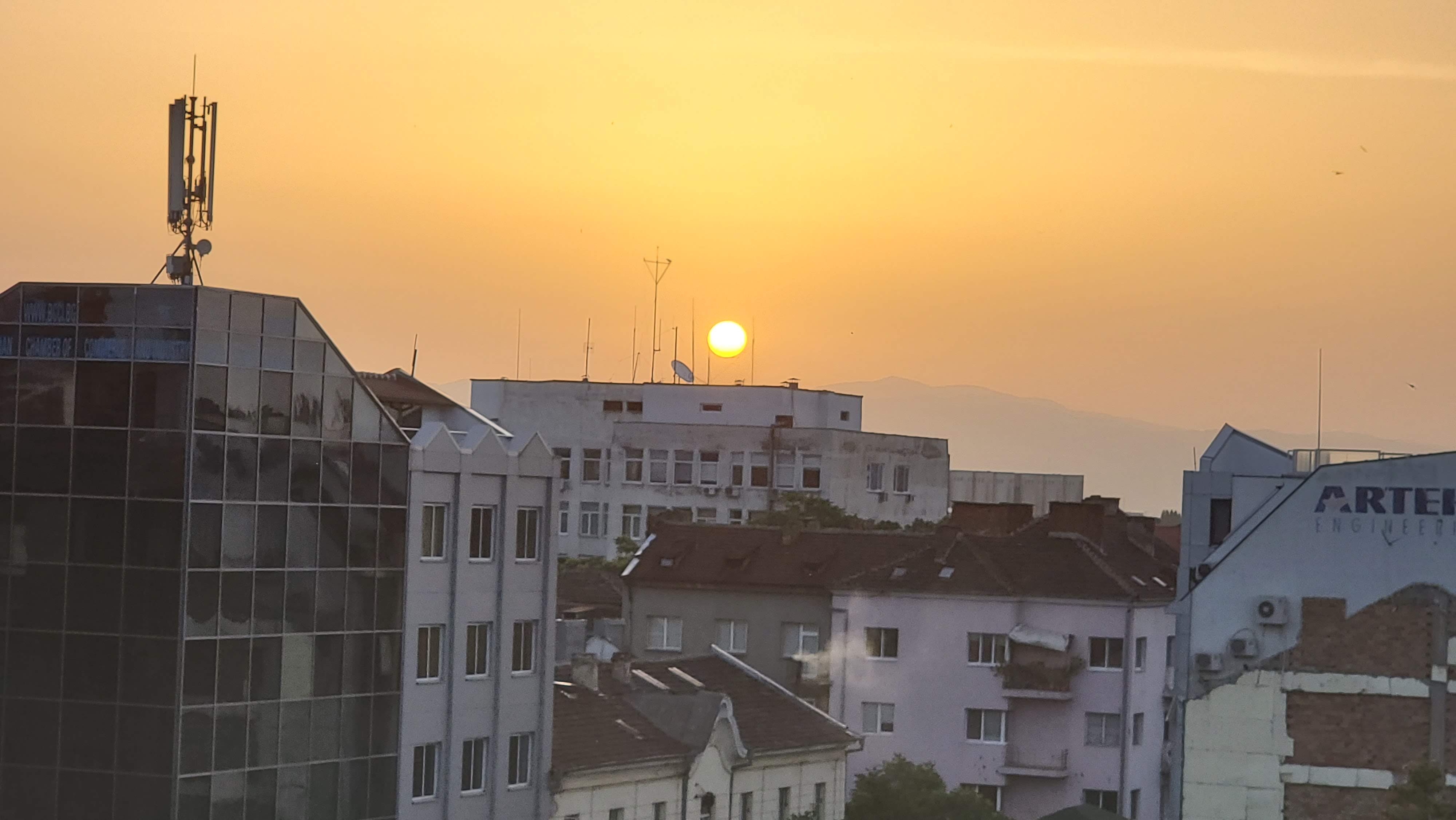
There may be some other outlets to find and rent other places to stay, i.e. hostels or other apartments. I’d be interested in hearing peoples’ experiences with those.
Hygiene in Bulgaria
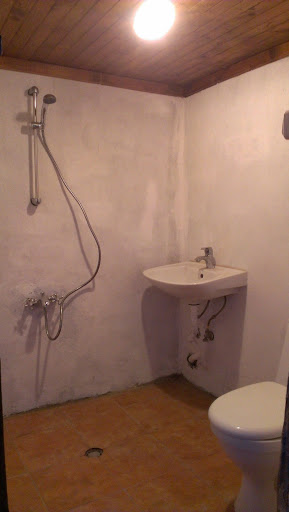
Staying clean in Bulgaria is a little bit different than in the states. There are some things that you should be aware of before traveling there. Bathrooms are a bit different there compared to American bathrooms. The concepts of a separated space for showering is probably overall foreign to Bulgarians. The entire bathroom is considered to be one big wet space with the shower, toilet, sink, etc. all in one open room. When you shower, everything has the potential of getting wet. So, when you bring your Bulgarian child home and they have no idea how to use a shower curtain and they leave an inch of water all over the bathroom floor, this is probably why. They just need a little training.
Also, this very well may be a personal preference issue, but Bulgarians don’t seem to use wash cloths like some of us do in the states. I think that this might be a European-wide thing. I recently travelled to Austria and Germany and I didn’t see any wash cloths either. But if you are one to use a wash cloth, don’t expect to see them in the hotels or AirBnB’s; you may want to bring your own wash cloth with you. If you forget, you’re in luck. We did see some disposable wash cloths at a convenience store.
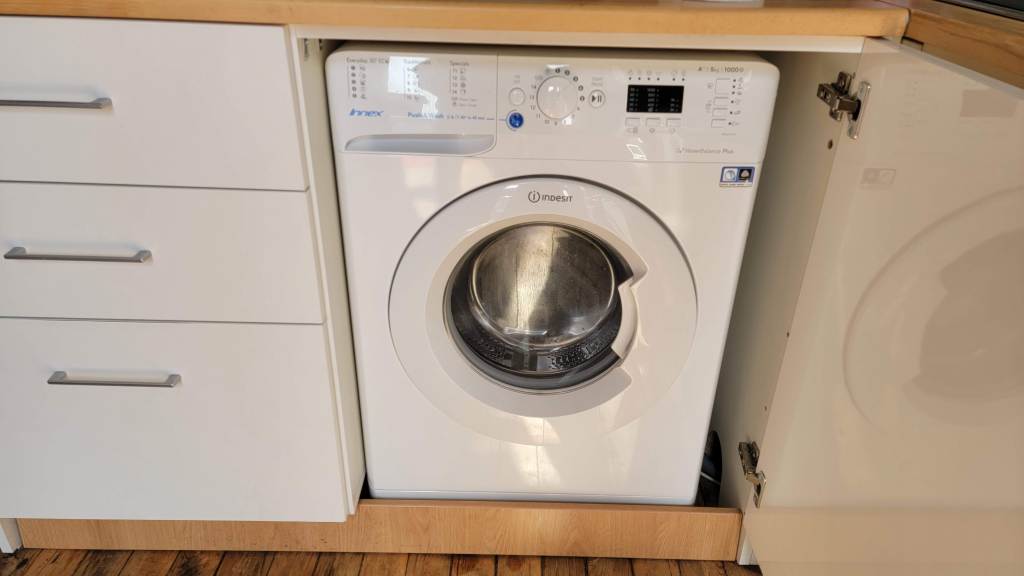
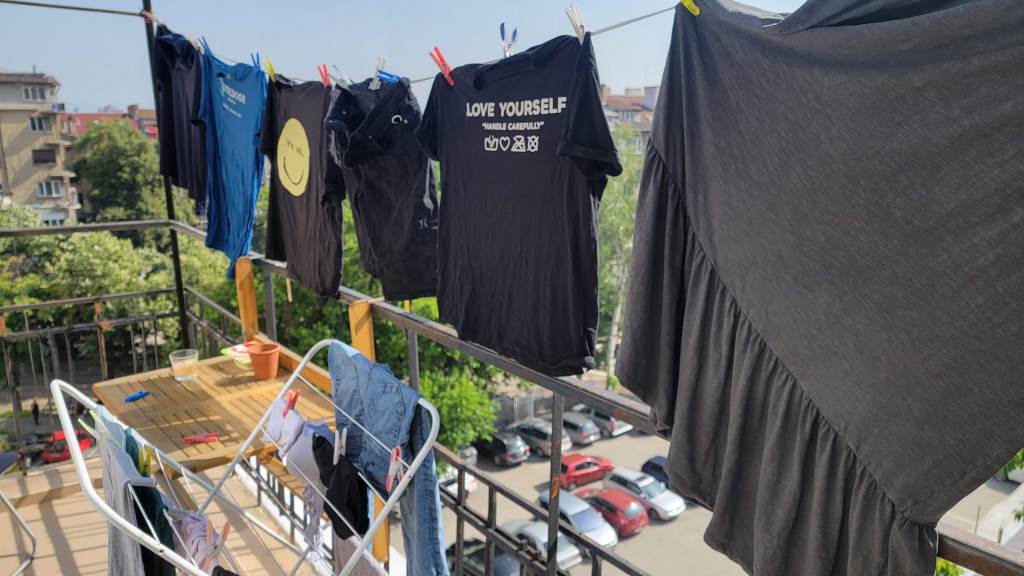
Cleaning clothes is a bit different from what we’re used to in the states. At the AirBnB apartments that we stayed at, there were clothes washers (at first we thought it was a cool combo clothes washer and dryer, but this wasn’t the case) right there in the kitchen. Europeans seem to air dry their clothes in the sun on a clothes line outside of their window. If you have an extended stay at an AirBnB apartment in Bulgaria, you may need to allow for enough time for your clothes to dry once you’ve washed them. They may have clothes dryers at the hotels, but we didn’t investigate this too closely.
(DISCLAIMER: This next part is kinda gross.) European cities and towns are usually very very old with undersized restrictive sewage systems. So, Bulgarians, as well as residents of other European countries, have a practice of not flushing any toilet paper as this will eventually clog up their sewage pipes. So, regardless of how you have used the toilet paper, it’s usually thrown in a nearby trash can. You can imagine what your bathroom smells like after a few days of not emptying the trash. Also, some people have experienced difficulty finding public restrooms that even have toilet paper and have suggested perhaps carrying a roll with you just in case.
Electricity in Bulgaria
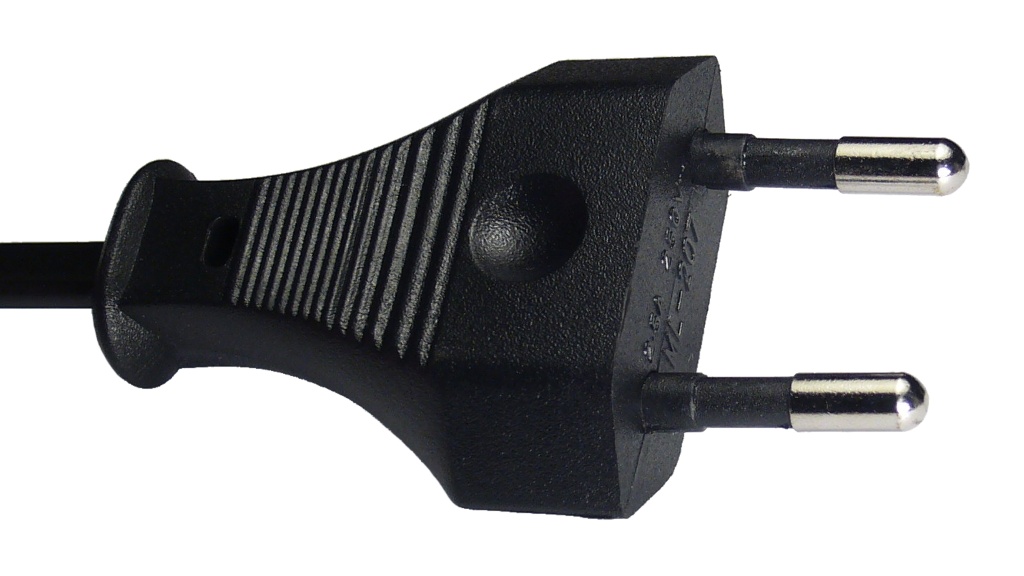
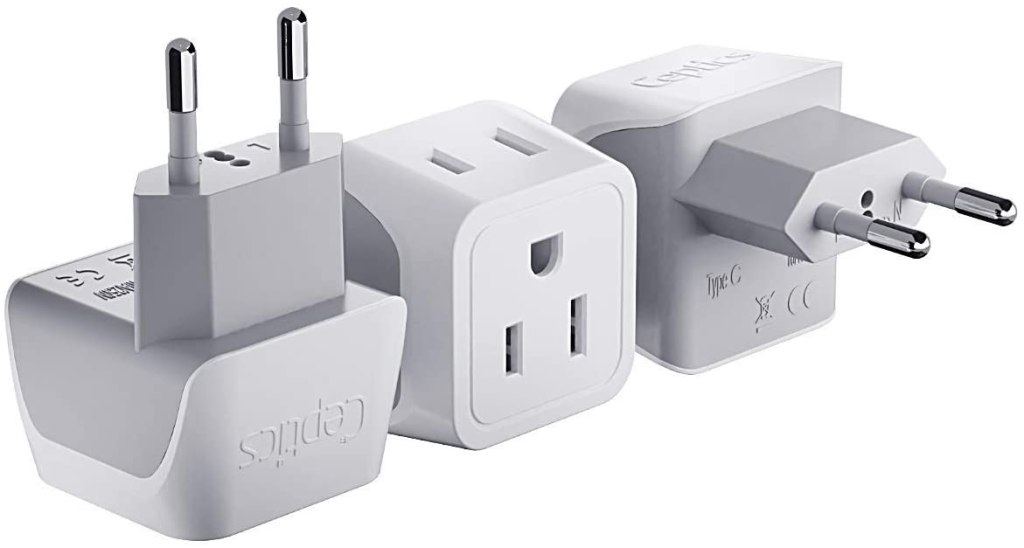
Bulgaria’s electrical system is something that you should prepare for when traveling from the states. The United States electrical system is a 120V supplied power, ranging usually anywhere from 110V to 125V at a frequency of 60Hz. The European electrical system is a 230V supplied power at a frequency of 50Hz. What this means to you is that some of the appliances that you bring over may not work and can damage easily if you try to. The type of plug that Europe uses is also different from what we have in the states.
What you can do is to buy appliances that have a voltage seeking power supply that ranges from 110-240V. In this case, if your appliance comes with a United State style plug, you can simply use an adapter to convert it to a European plug and you’ll be fine. You could also purchase a travel power adapter which will convert the 230V/50Hz electricity to a 120V/60Hz electricity for those appliances which don’t have a seeking power supply.
Food & Shopping in Bulgaria
The food in Bulgaria is something that is going to be quite memorable for you. The food is excellent! You’ll find so many different vendors to choose from and all kinds of food, most of which will be food that you’re used to, but also many new types of foods. Might I suggest what’s called a beef or chicken “doner / duner” which is similar to a huge delicious burrito filled with all kinds of yummy ingredients.
The cost of food in Bulgaria is really really cheap compared to the prices in the states. You can often times get a lot of food for about 1/2 the price of what you would expect to pay.
If you’re not that adventurous with food, you’re in luck. You’ll easily find many different American chain restaurants: McDonald’s, KFC, Subway, and even Starbucks, are among the many American brands.
If you’re staying at an AirBnB apartment, you’ll probably want to buy groceries. There are a few chain stores that you will want to familiarize yourself with. You’ll see that there are several Billa and Lidl stores around. They’re very easy to find. These will be your larger grocery stores. Near our apartment was another store called Parkmart, but I didn’t see this store anyplace else. It was kind of a high-end store, like a Whole Foods, but still reasonably priced. Then there are a couple of convenience-type stores that you may need: Lilly and DM. These will be similar to your CVS’s and Walgreens. Here are the logos to look out for:




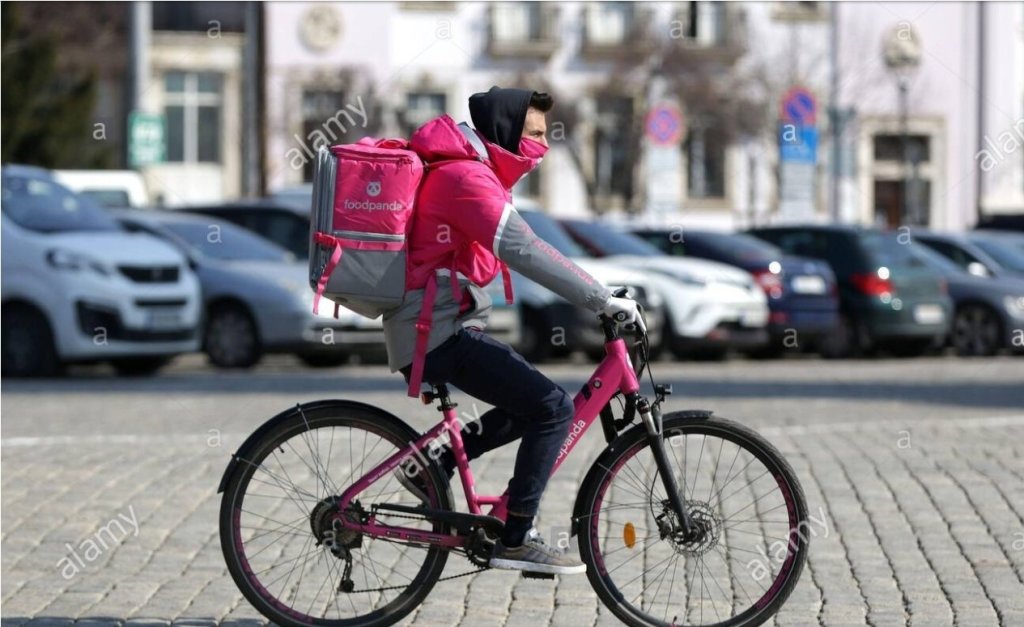
We also noticed that there were several food delivery services active in Sofia. Food Panda was one of them and it looked like there were a few other different companies making deliveries. Looked like most of the deliveries were made via a bicyclist. We did not use these services, so I don’t have any experiences to share, but it looks like (from a Facebook group that I follow) this is a reliable way to get fast food delivered to where you are staying if you can’t make it out to a restaurant or grocery store.
In Sofia, there are three large malls that we were told about (and there may be more). And these are pretty large malls – 4-5 stories high. This is a good place to go if you weren’t able to find those appliances that I discussed earlier in the article. And of course, all kinds of clothes, shoes, accessories, movies, entertainment, etc. Also, seeing a movie in Bulgarian is entertaining. Some movies are in English with Bulgarian subtitles. And then there were a couple of cartoon movies we saw which were overdubbed in Bulgarian with Bulgarian subtitles, which I didn’t understand. First, there is the mall simply known as The Mall on the southeast side of Sofia, close to the airport. Second there is the Ring Mall located on the south side of Sofia. This mall has an indoor go-cart track which was SO much fun! Looks like it also has a trampoline park as well, but we didn’t go to that. Third, there is Paradise Center also on the south end of Sofia, but closer to the city. This was probably the nicest of the three malls, in my opinion. You can get to Paradise Center very easily by taking the Blue line of the Metro toward Vitosha (the mountain). Vitosha is the last stop, and exits directly into the mall. Also that there is a Billa right in the mall!



Tourism in Bulgaria
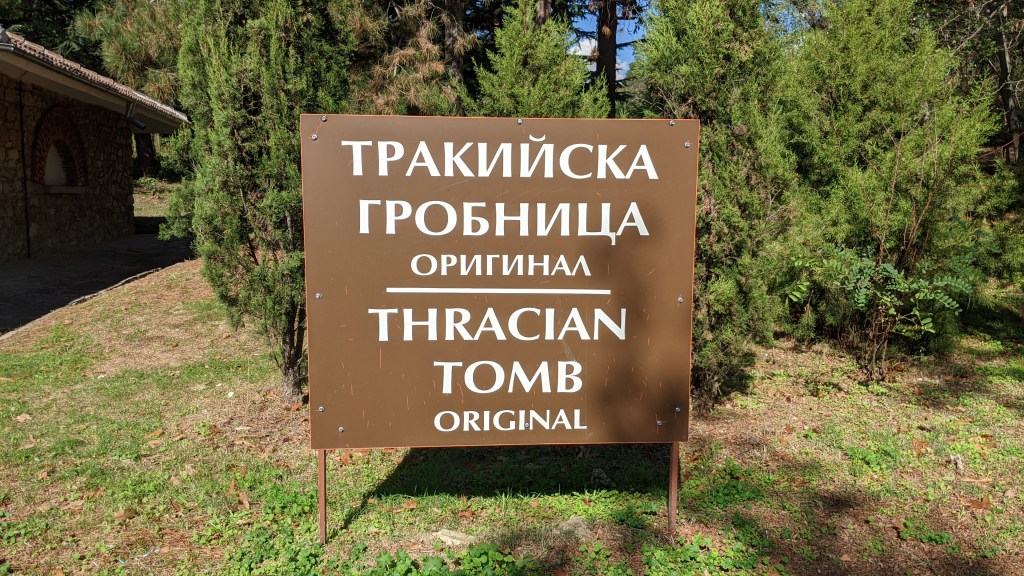
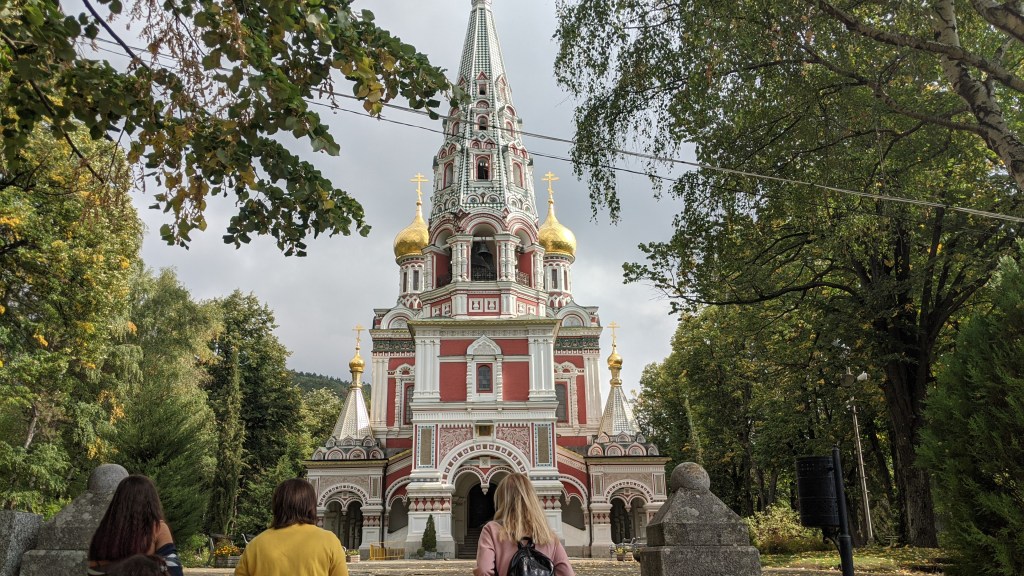
When you visit Bulgaria, you will find that you are in a country that is rich with history, with Roman, Middle-Eastern, old Soviet, and new Western influences. As a result, you will see some very amazing sights and buildings. Bulgaria’s countryside is also very breathtaking with its green rolling hills and wild flowers. I’d venture to guess that there will likely be some historical site in your child’s hometown that is worth seeing. In Kazanluk, we visited the Tomb of The Thracian Kings and we also visited the Memorial Church and The Liberty Memorial in nearby Shipka, commemorating the turning point in the war against the Ottoman Empire in which Russia helped Bulgaria earn their freedom after a 500 year oppression.
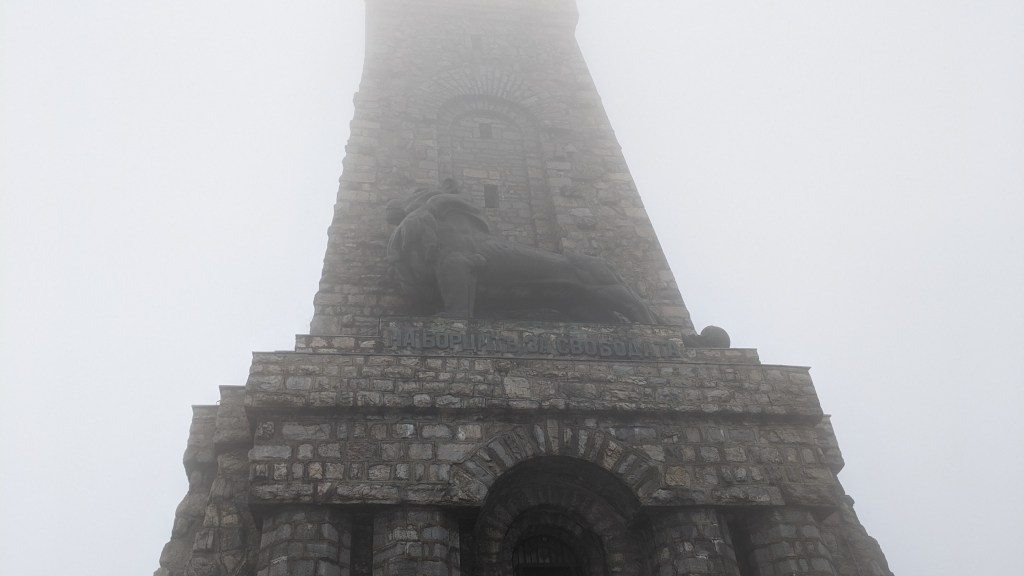
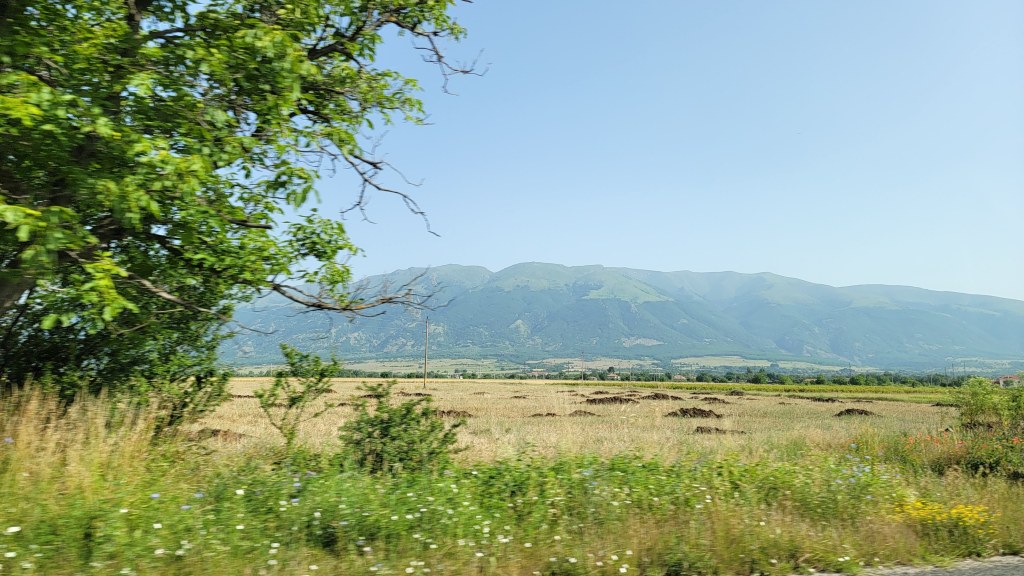
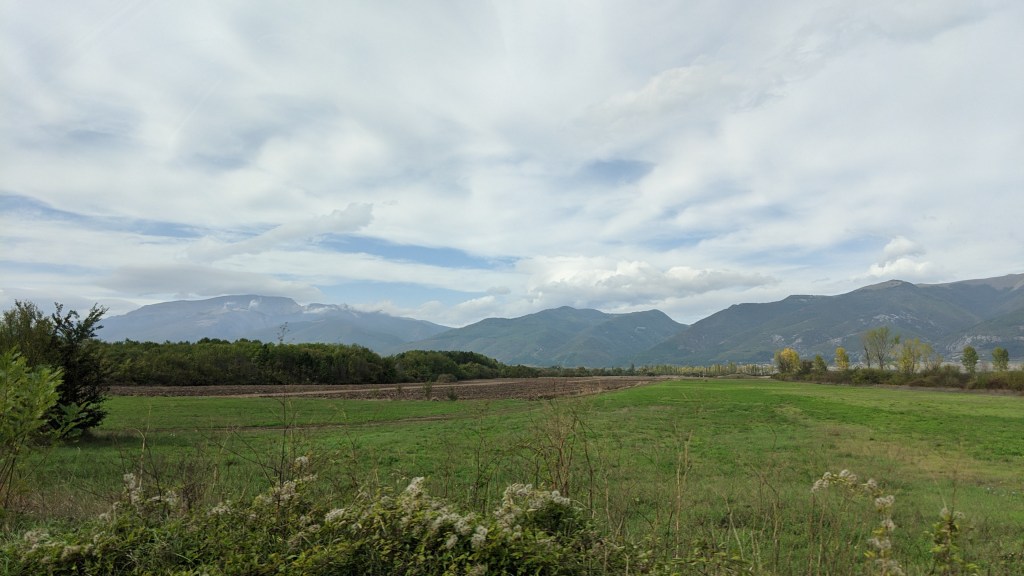
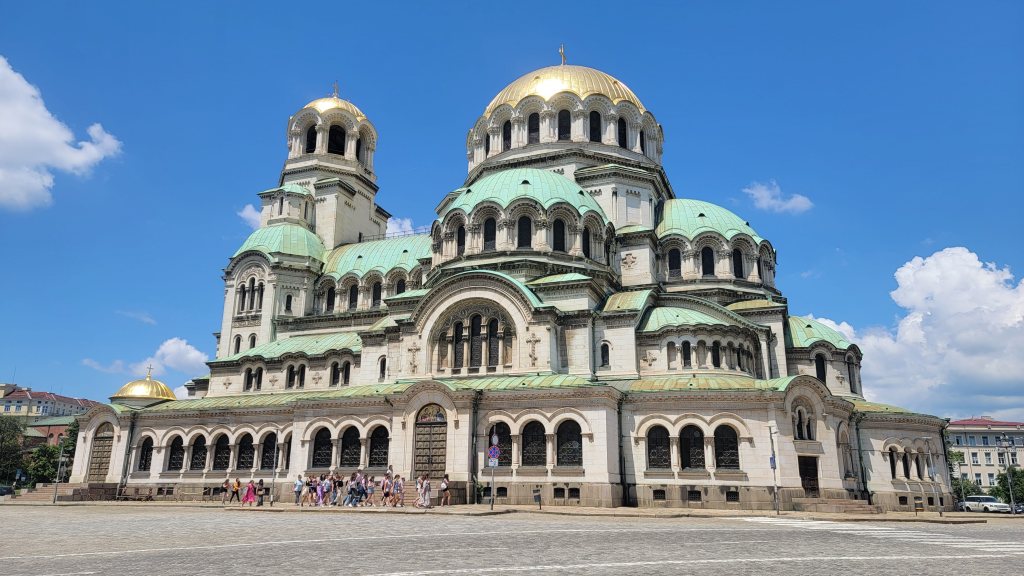
Sofia is rich with history resulting in many museums and historical sites which are too numerous to catalog. The iconic Aleksander Nevski Cathedral is a must-see, as well as the Russian Orthodox church building. You will have to pay 10 lv to take pictures and video inside the cathedral, but at about $6, it was worth it to me. No pictures allowed in the Russian church. Other churches of interest are The St. Nedelya Cathedral Church at the north end of Vitosha Blvd., The Church of Sveti Sedmochislenitsi (“Seven Saints Church”), and the Church of St. George Rotunda at the center of the office for The President of Bulgaria, as well as the Banya Bashi Mosque just north of Vitosha Blvd. We saw the Monument to The Soviet Army, a tribute to the help from Russia in gaining their independence from the Ottoman Empire, which is impressive, just near the Borisova Gradina (“Boris’ Gardens”), a tribute to the last true monarch of Bulgaria, Tsar Boris III, also close to the iconic monument to Tsar Alexander III, the Russian Liberator of Bulgaria. We saw the Sofia History Museum, focusing on Sofia’s history. And we saw the National Museum of Natural History, highlighting different geological and biological creation throughout the world. We also went to the quirky Museum of Illusions, and the Sofia Zoo. Also, Sofia is historically known for its delicious natural spring water that flows out of several different stations around the city where the hot water is available for free. We used these springs to fill up our water bottles in the evening and let them cool overnight in our refrigerator.
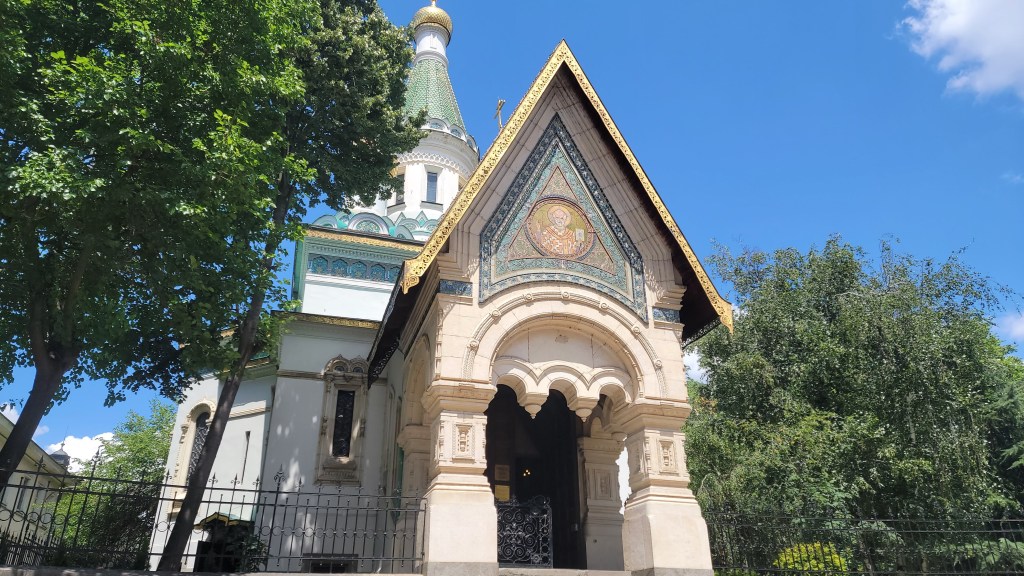
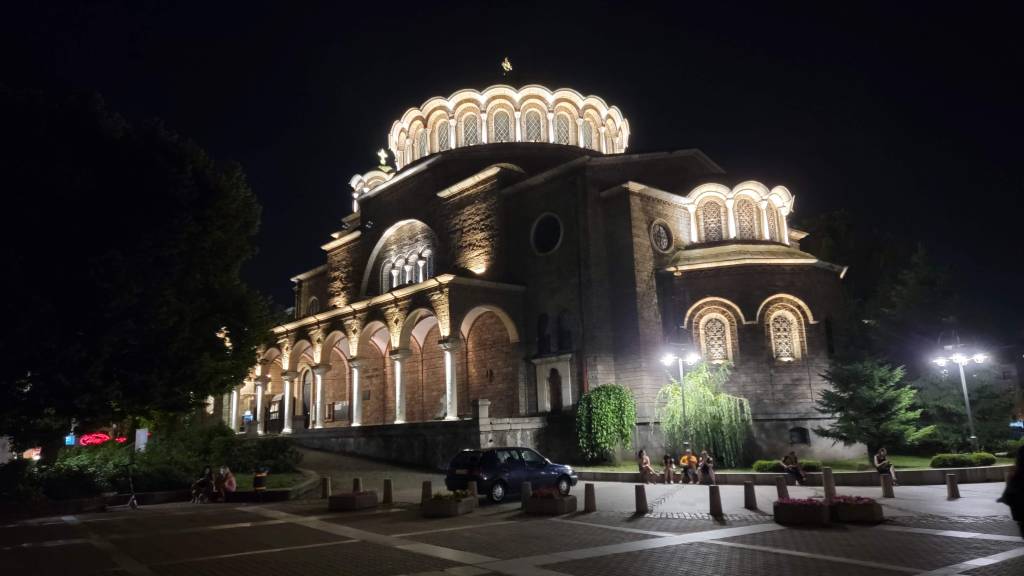
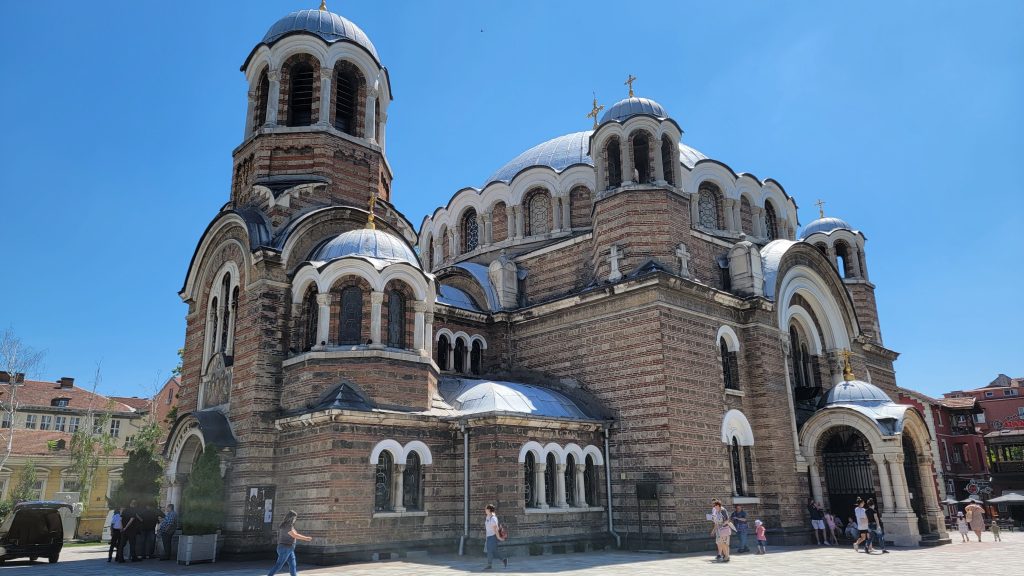

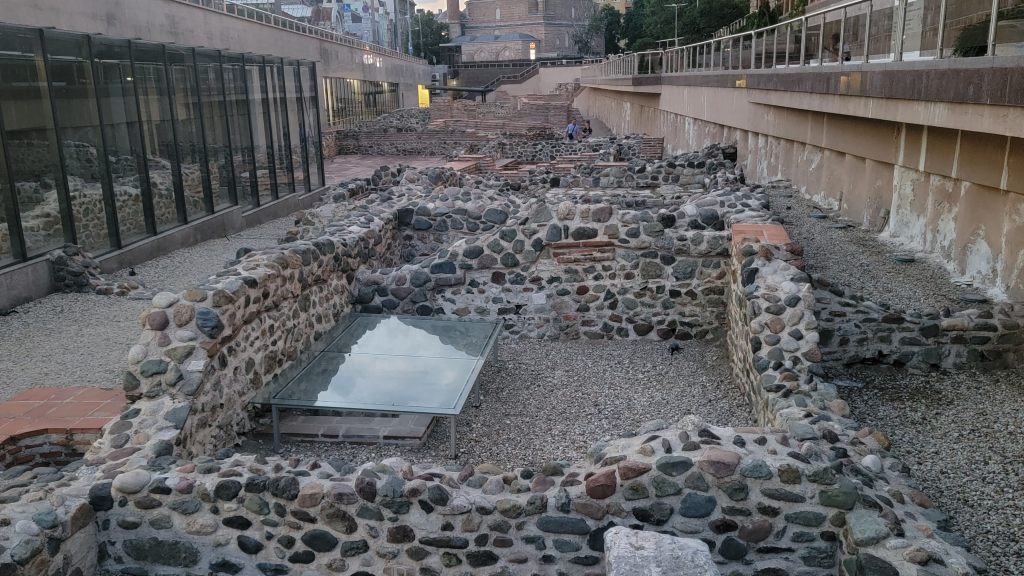
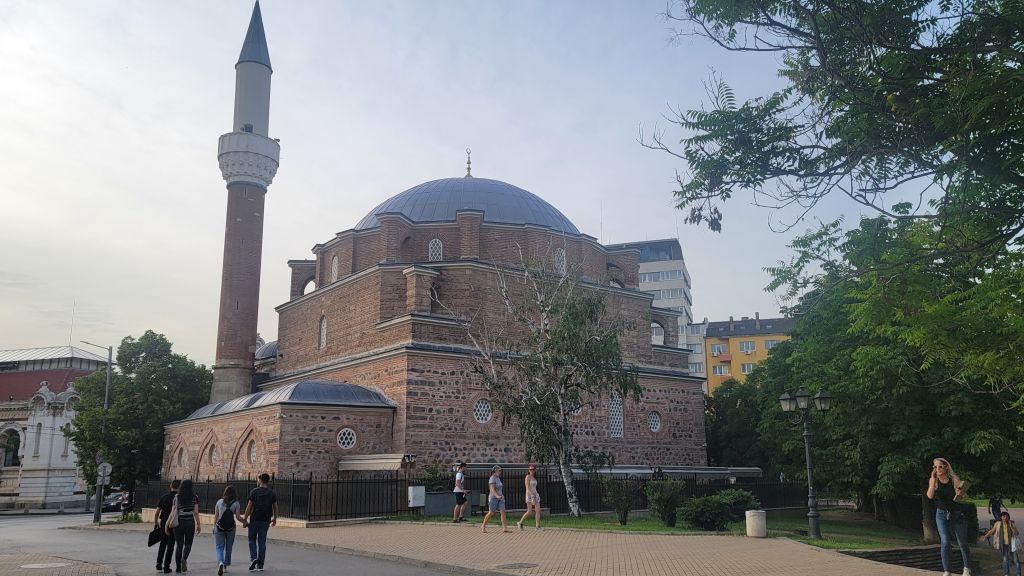
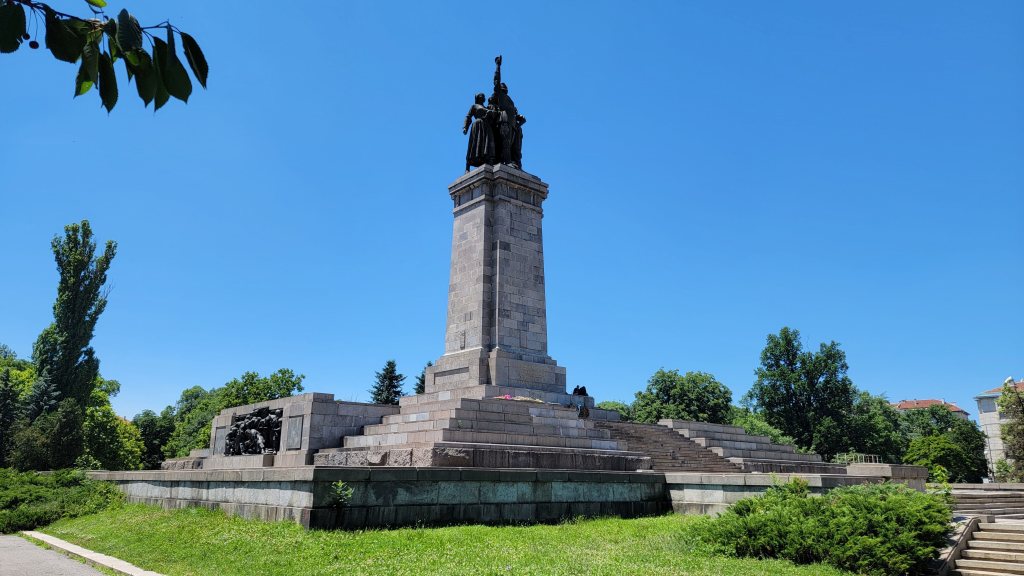
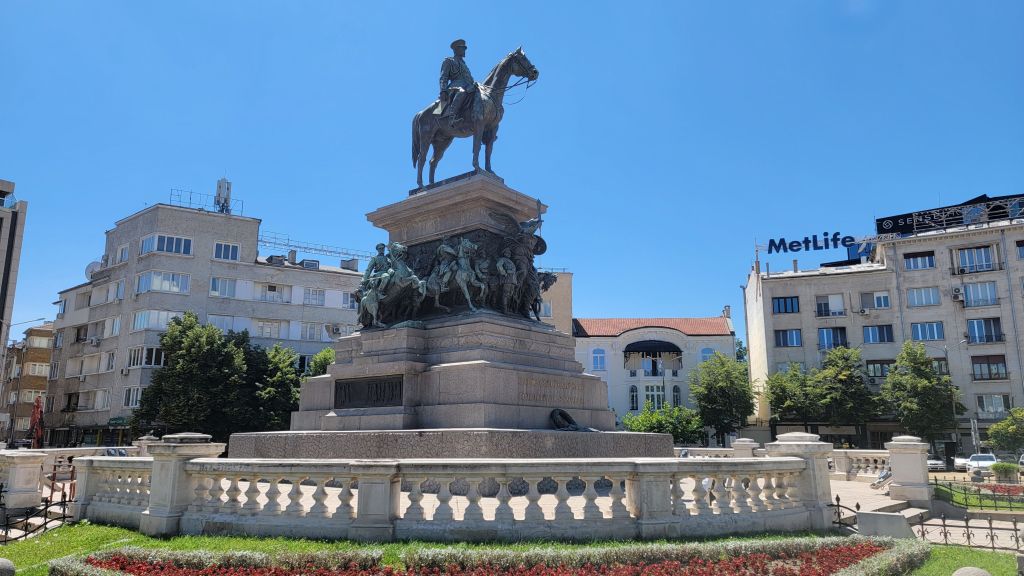
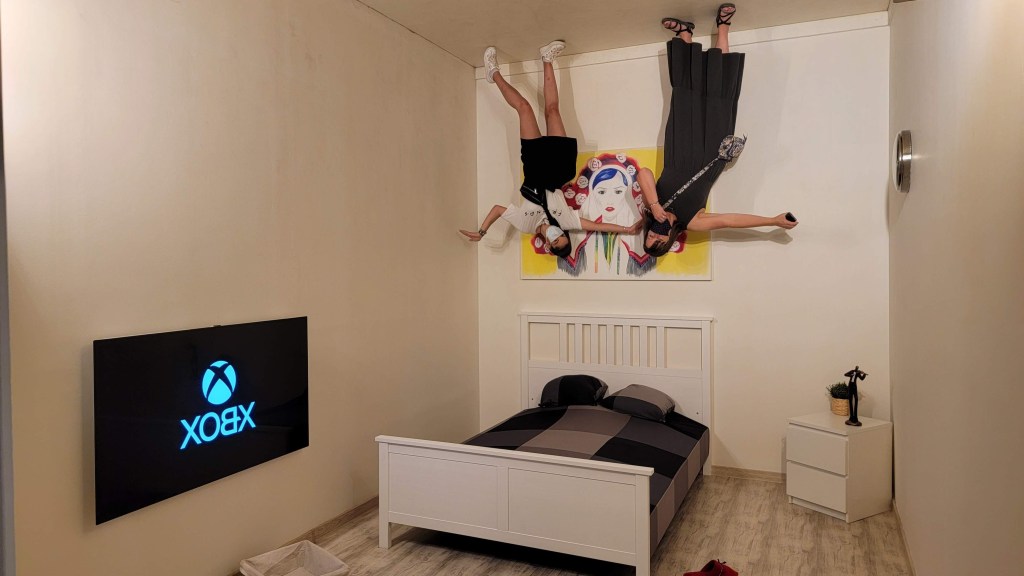
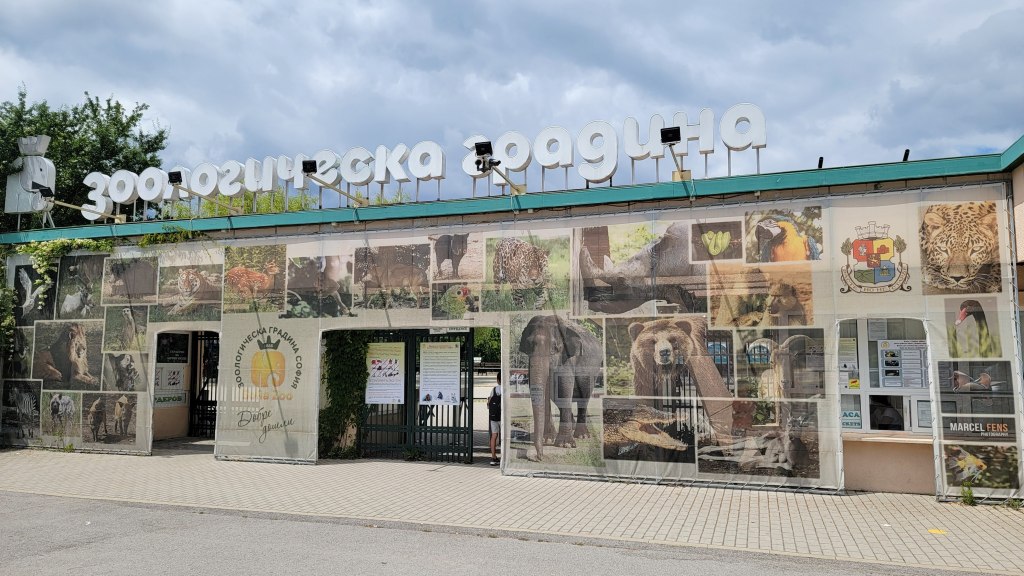
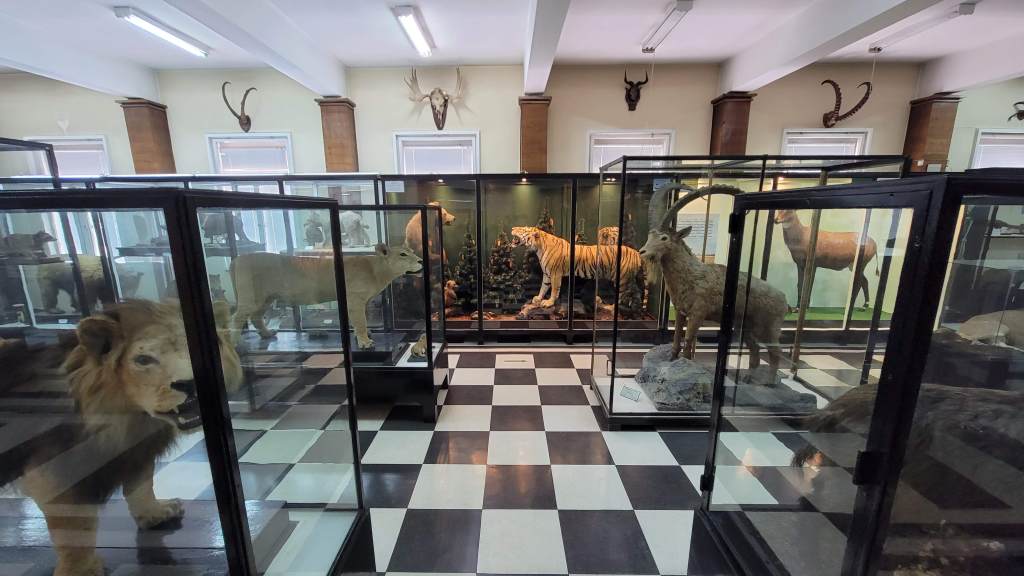
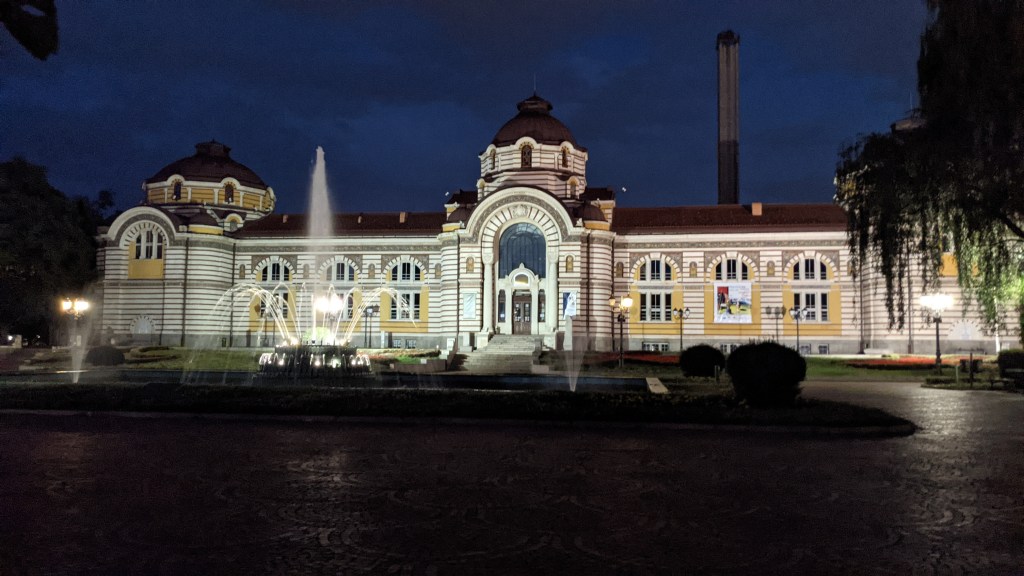
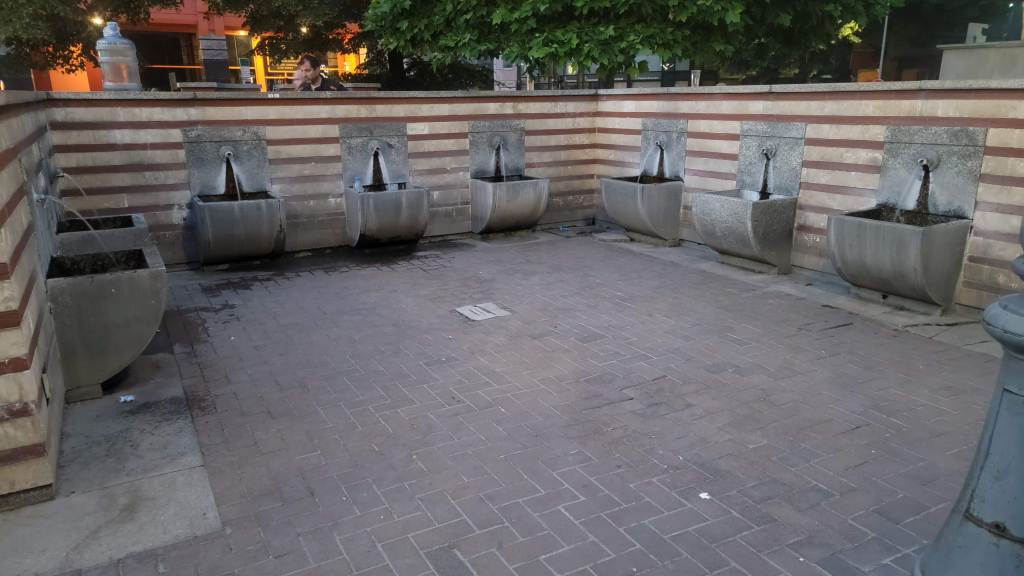
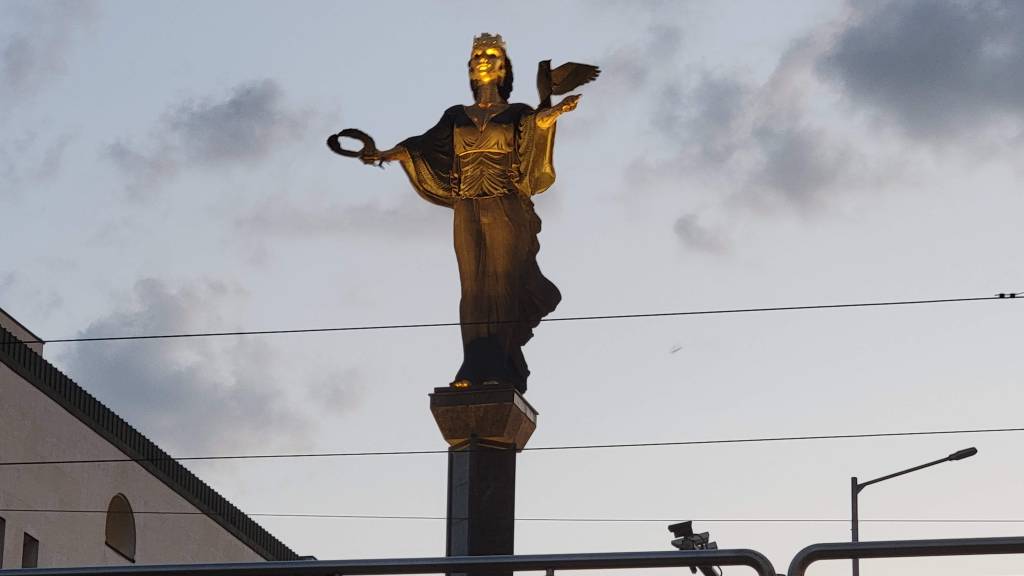
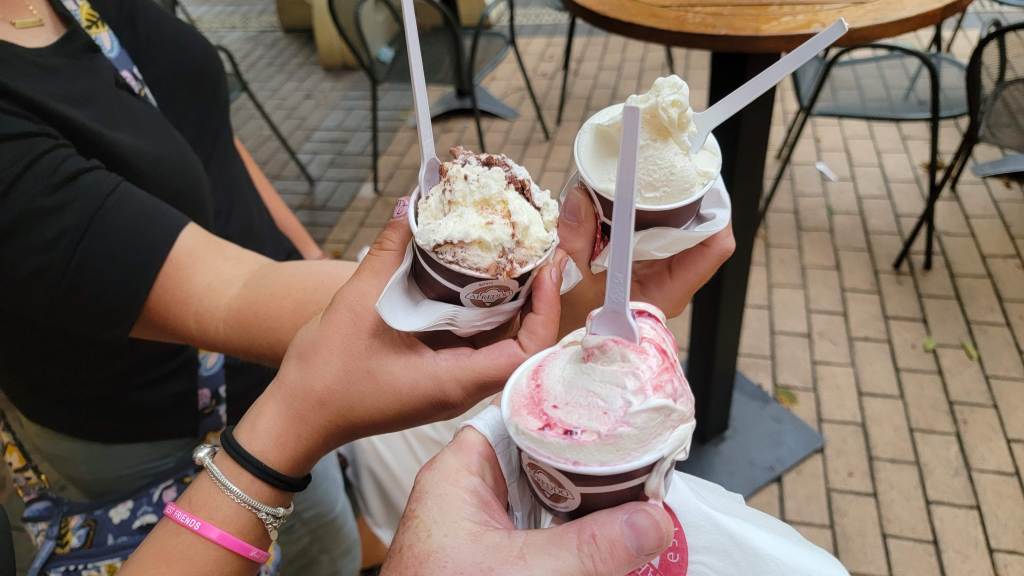
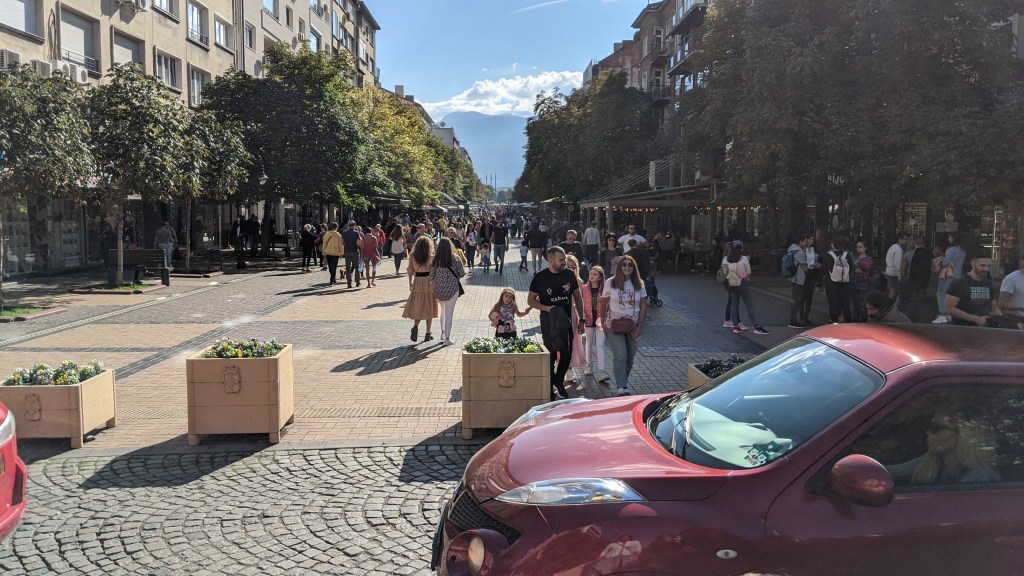
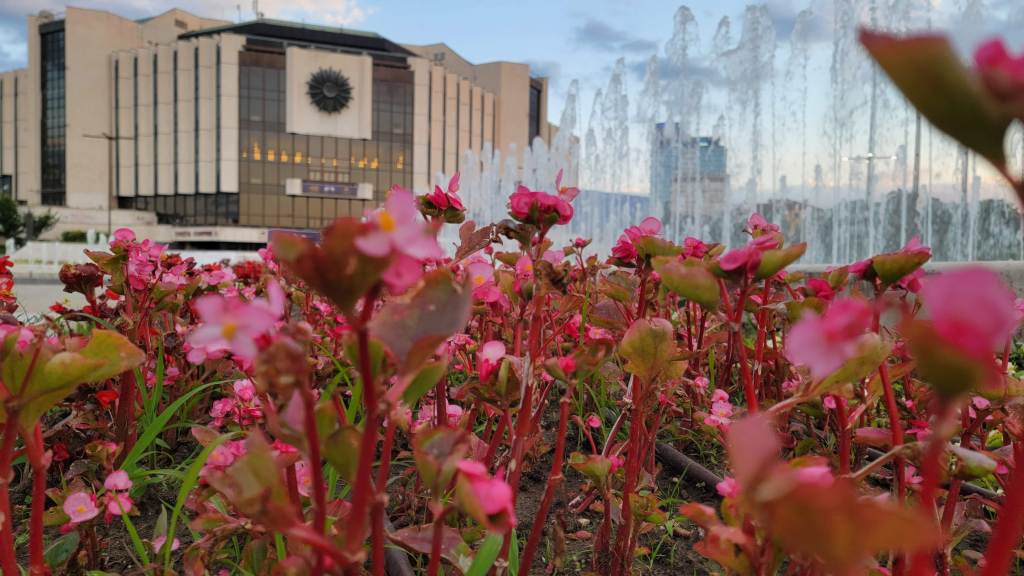
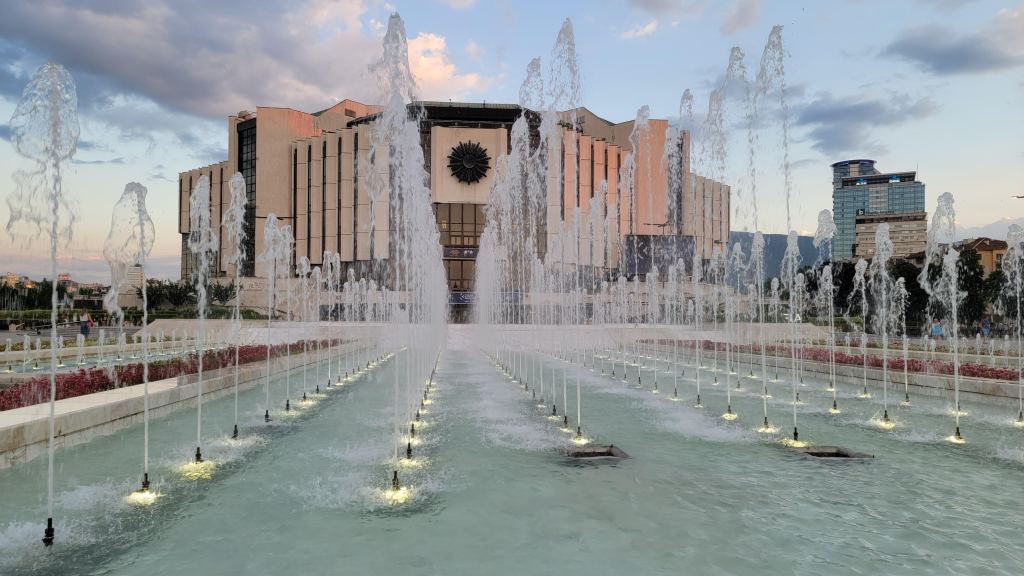
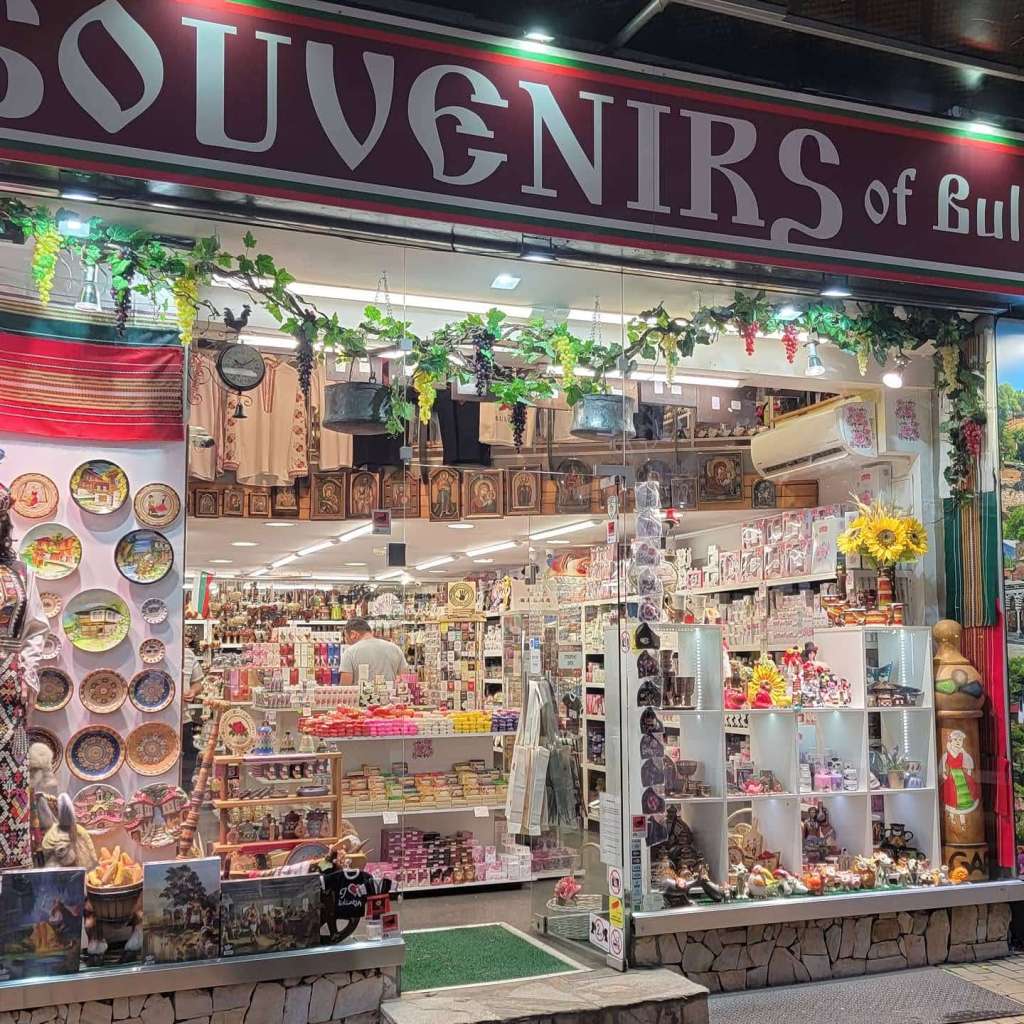
And of course, a discussion of tourism in Bulgaria must include a mention of Vitosha (pronounced “VIT-o-shuh”) Blvd. Here is where Sofia’s and Bulgaria’s tourism is centralized with all kinds of restaurants, gelato ice cream shops, shopping, souvenirs, just about anything you want to find. When we were there, there were always a lot of people there, couples, families, just about anyone having a good time. There are also many street performers at all hours of the day and night which provide for some very interesting entertainment. At the south end of Vitosha Blvd. is the National Palace of Culture, also known as “Natsionalen dvorets na kulturata” and abbreviated as “NDK”, a distinct Soviet-era style building which is another iconic building for Sofia with its surrounding fountains and green spaces.
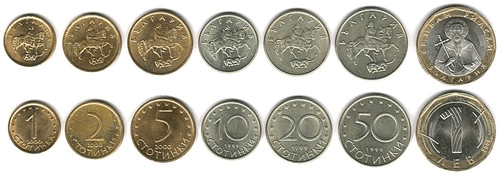
A bit about money in Bulgaria. The currency in Bulgaria is the “leva” and from what I’ve seen is abbreviated by either the letters “lv” (as I’ve done throughout this article) or “BGN”. The current exchange rate is about 1.65 lv to $1 USD. A suggestion was made to me to exchange money at a bank for a better exchange rate. If you withdraw money at an ATM, or if you pay for things via a credit or debit card, the exchange is done for you. Bulgarian leva has 7 different coins: 0.01, 0.05, 0.1, 0.2, 0.5, 1, and 2 lv, and 4 different bills that we used: 5, 10, 20, and 50 lv. Having said that, most places that you will purchase from will have the ability to take payment via credit or debit cards, at least in Sofia. In the smaller towns in Bulgaria, be prepared to pay using cash.
Communicating in Bulgaria
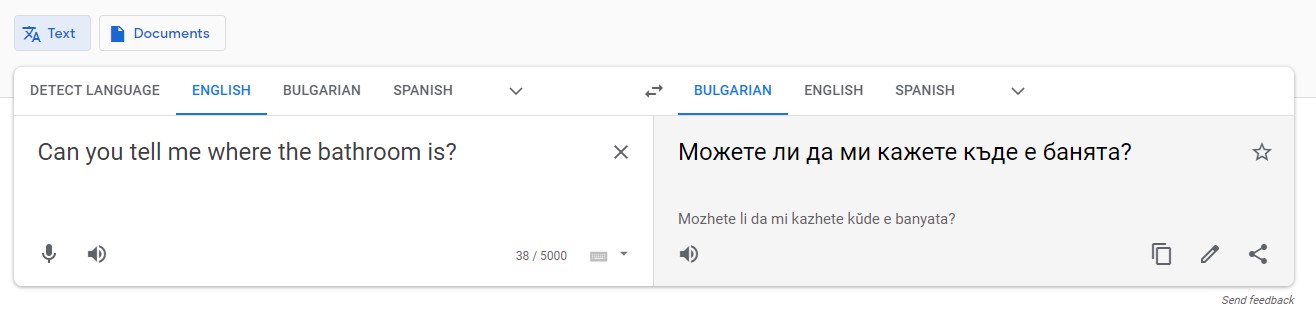
When traveling around in Bulgaria, you will find that it’s often times easy to communicate with locals, especially in Sofia, even though you may not speak too much Bulgarian. Many Bulgarians are taught English while in school (Since the mid-90’s) and can at least speak a little English – enough to order your meal or make purchases in stores. They may be self-conscious about speaking it or they may understand what you’re saying even though they don’t speak it (so, watch what you say). I found that if they greet you in Bulgarian, just ask “an-GLEE-skee?” to ask them if they speak English. If not, we found that Google Translate does a very good job at translating. A local friend of ours told us that Google Translate has come a long way since it first came out. “Conversation mode” is what we often used, allowing for English-Bulgarian and Bulgarian-English translation, almost in real-time.
There is also a couple of other chatting apps that are widely used in Bulgaria that will help in translating. WhatsApp is an app that will allow users to type in messages in their native tongues and give the reader the opportunity to translate the messages into their language. This is the app that we used on Trip 1. Viber is another app that we used on Trip 2 and is used Bulgaria-wide. This app has the same translation feature as WhatsApp and also has a WiFi call feature and even a group meeting feature that we used, similar to Zoom or Microsoft Teams.


The Bulgarian language and Cyrillic alphabet is very different from English, but not that different from other European languages. It’s not that difficult to pick up. Here is a YouTube video that will help you with common phrases.
As a reference to you, here are some useful phrases that will help you with basic communication with the locals.
| English Phrase | Bulgarian Equivalent | English Representation | Pronunciation | Notes |
| Hello | Zdraveitay | “zdlah-VAY-tay” | Formal with someone you don’t know or multiple people | |
| Hello | Zdrasti | “ZDLAS-tee” | Informal with someone you don’t know | |
| Hello | здравей | Zdravei | “ZDLA-vay” | Informal with someone you know |
| Good day | Добър ден | Dobŭr den | “DOE-ber Din” | General greeting used any time of day |
| Good morning | Добро утро | Dobro utro | “DO-blo U-tlo” | |
| Good evening | Добър вечер | Dobŭr vecher | “DO-ber VAYR-chayr” | |
| How are you? | Как сте? | Kak ste? | “KAHK stee?” | |
| Excuse me | Извинете | Izvinete | “Iz-vin-EH-teh” | Used to get someone’s attention |
| Thank you | Благодаря | Blagodarya | “BWA-go-DAH-yah” | Sort of formal way of saying it |
| Thank you very much | много благодаря | mnogo blagodarya | “MNO-go blo-go-DAH-yah” | |
| Thank you | Merci | “MAYR-see” | Friendly, informal (French) | |
| You’re welcome | Моля | Molya | “MOLE-yah” | “Don’t worry about it. / Don’t mention it. / No big deal.” |
| Good Bye | Довиждане | Dovizhdane | “doh-VEE-zhin-ay” | Common, formal |
| Good Bye | Ciao | “chow” | Friendly, informal (Italian) | |
| Yes | да | Da | “Dah” | |
| No | не | Ne | “Nay” | |
| A little | малко | Malko | “MAHL-ko” | |
| English | Английски | Angliĭski | “an-GLEE-skee” | |
| Bulgarian | български | Bŭlgarski | “bool-GAHR-skee” |
I hope this guide has been helpful to you. And I know that you will have a wonderful time in Bulgaria. I’d love to hear about your experiences and all that you saw while you were in country. And again, if you feel like some of my information is either lacking or incorrect, I’d be interested in your feedback. Please feel free to reach out to me anytime.
наздраве!
 The McCauley Family (Originally) From Greenwood, Indiana
Thanks for all that helpful information. In Hungary there were no sink plugs (stoppers) in any of the rooms. Do they have them in Bulgaria?